

Working around a car battery can feel a little intimidating the first time you pop the hood. There’s wiring, metal tools, electrical current, and the constant fear that one wrong move could create sparks or damage expensive electronics. The truth is, disconnecting a battery terminal is one of the most basic maintenance tasks any vehicle owner can learn. Whether you are replacing a battery, working on electrical components, storing a vehicle long-term, or resetting certain systems, knowing how to safely disconnect the negative battery terminal matters more than most people realize.
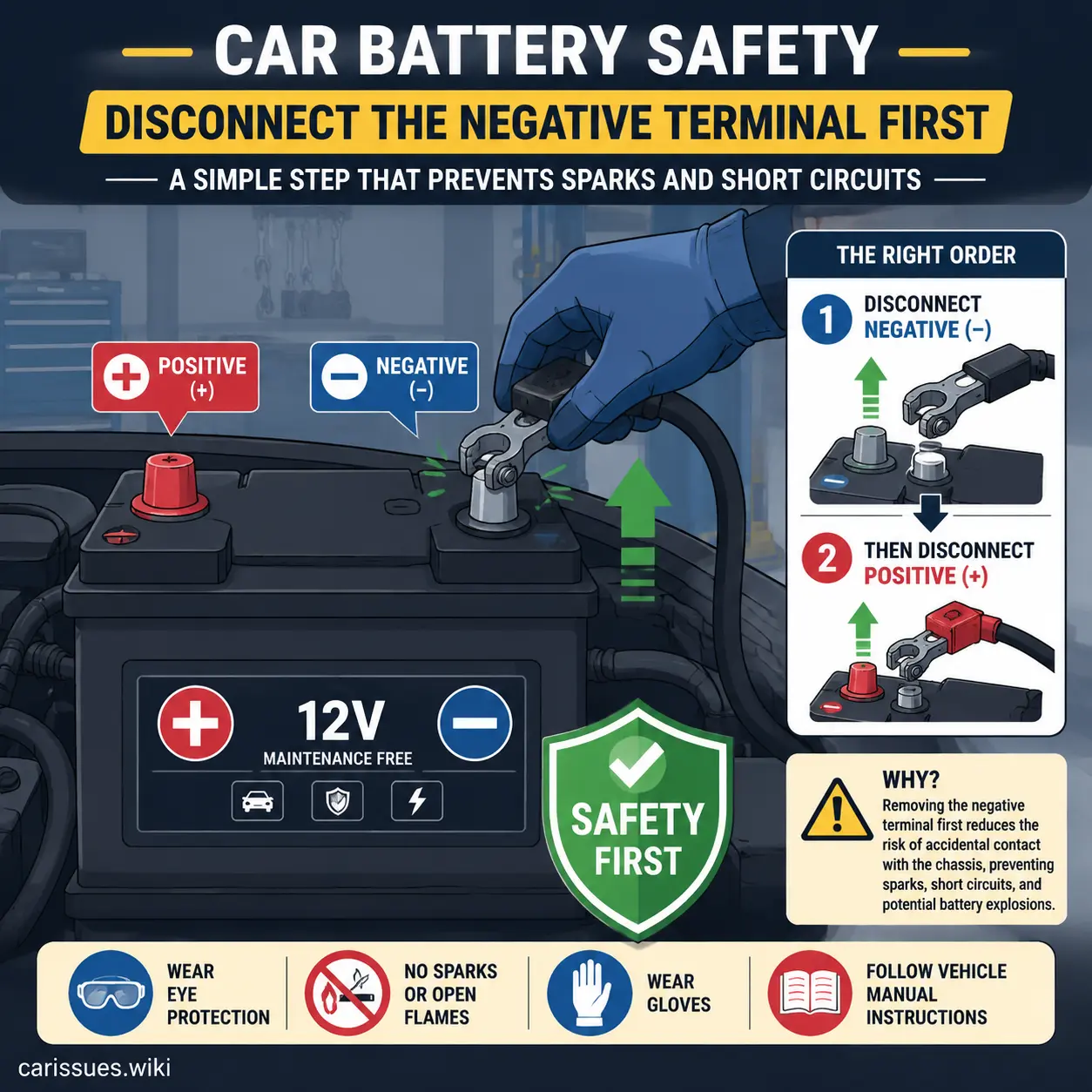
Recent automotive maintenance guides consistently emphasize disconnecting the negative terminal first because the vehicle chassis is grounded to the negative side of the battery. That simple step dramatically reduces the risk of short circuits, sparks, and accidental damage to sensitive electronics. Modern vehicles are filled with computers, sensors, and modules, so battery handling today requires more care than it did decades ago.
Before diving into the actual process, it helps to understand why this procedure exists in the first place. Think of the battery as the heart of the vehicle’s electrical system. Disconnecting the wrong cable first is a little like cutting a wire on a live circuit without shutting off the power. The battery may only produce 12 volts, but it can release extremely high current instantly, creating dangerous arcs and potentially damaging components.
Why Disconnecting the Negative Terminal Matters
A car battery is more than just a box that starts the engine. It powers nearly every electrical function in your vehicle, from headlights and radios to fuel injection systems and advanced driver assistance technology. Because modern vehicles rely heavily on electronics, disconnecting the battery incorrectly can trigger problems ranging from blown fuses to damaged control modules. That’s why professional mechanics follow a strict sequence whenever handling battery cables.
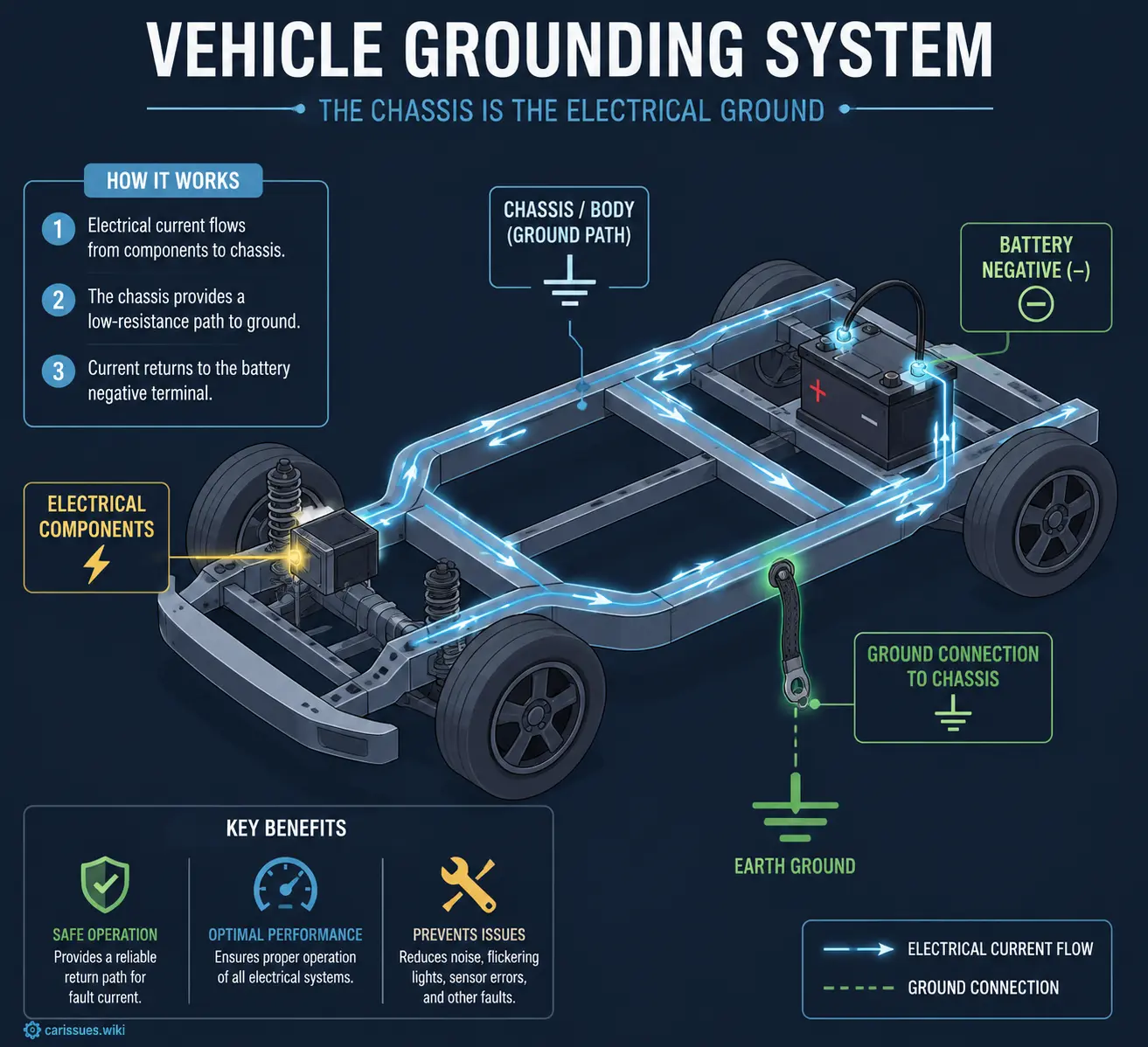
The negative battery terminal is connected directly to the vehicle chassis, meaning the entire metal frame of the car acts as a ground connection. When the negative cable remains attached, any metal tool touching the positive terminal and the vehicle body can instantly create a short circuit. Automotive experts repeatedly warn that this can produce sparks, heat, and even battery explosions under certain conditions.
Imagine holding a wrench on the positive terminal while your hand slips and the wrench touches the fender. With the negative terminal still connected, electricity suddenly finds a direct path through the metal. That’s where the trouble begins. Disconnecting the negative cable first removes that grounded connection and significantly lowers the risk of accidental electrical contact.
This isn’t just a “mechanic tradition.” It’s rooted in how electrical systems work. Removing the negative terminal first effectively opens the circuit. Once the ground path disappears, accidental contact with metal surfaces becomes far less dangerous. That one small habit can prevent costly repairs and personal injuries.
Understanding Vehicle Grounding Systems
Most vehicles today use a negative-ground electrical system. In simple terms, the battery’s negative terminal connects to the chassis and engine block, turning the car’s metal structure into part of the electrical return path. This design reduces wiring complexity and improves reliability, but it also creates safety concerns during battery maintenance.
Think of the chassis as a giant conductor sitting quietly under the hood. As long as the negative terminal is connected, touching the positive terminal with a metal tool while contacting the chassis completes a circuit instantly. This is why sparks occur during careless battery work. According to automotive repair sources, disconnecting the negative terminal first removes that pathway and makes the environment much safer.
Another reason grounding matters involves sensitive electronics. Modern vehicles contain dozens of electronic modules communicating constantly. Sudden voltage spikes caused by accidental shorts can damage these systems. Replacing an engine control module or infotainment unit costs far more than taking thirty extra seconds to disconnect the battery properly.
Vehicle grounding also explains why reconnecting the battery follows the opposite order. Mechanics attach the positive terminal first and the negative terminal last because reconnecting the ground at the very end minimizes spark risks during installation. It’s a carefully designed process built around electrical safety principles.
Safety Precautions Before Working Around the Battery
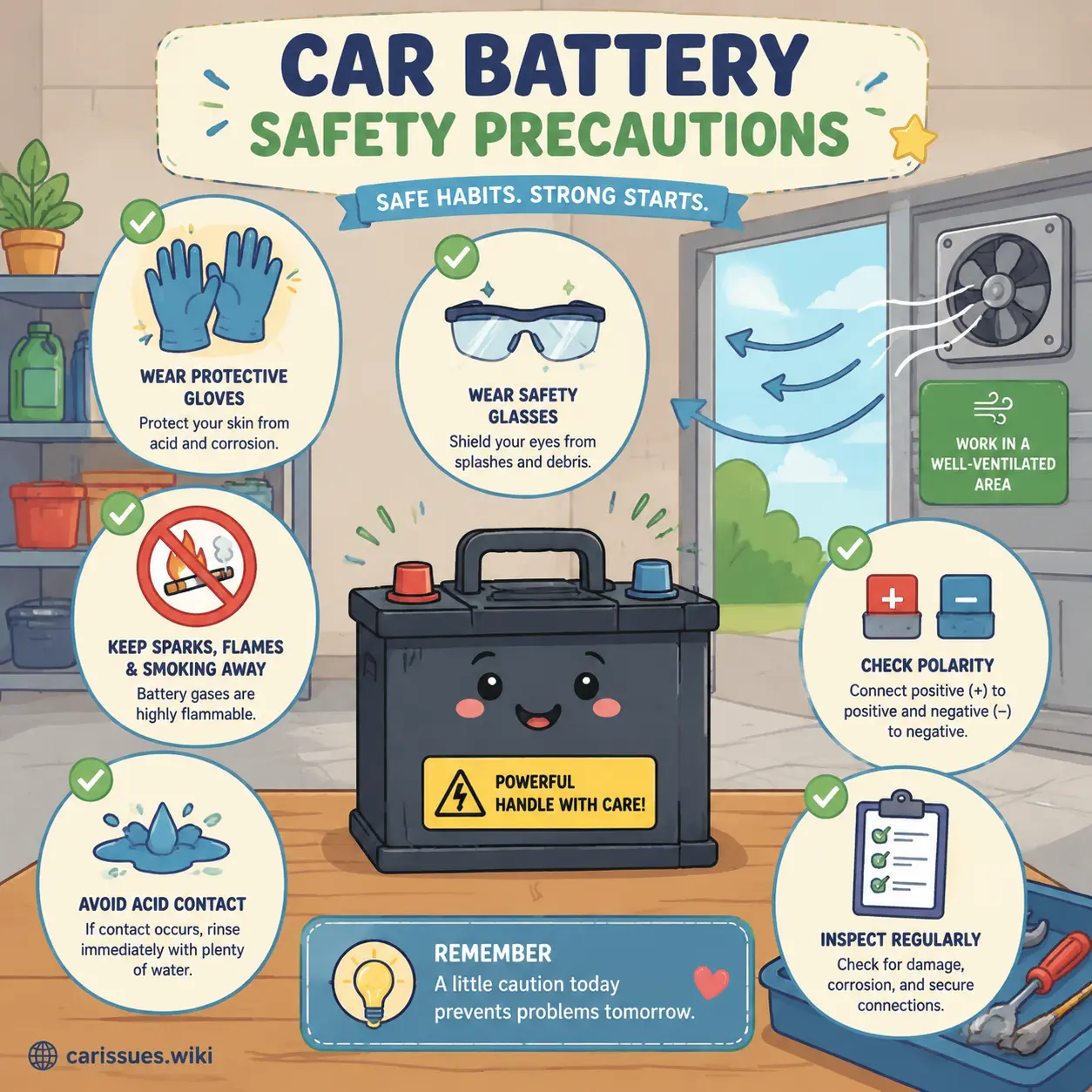
Before touching a wrench, preparation matters. Car batteries may look harmless, but they contain sulfuric acid and can release hydrogen gas during charging or discharging. Under the wrong conditions, a tiny spark becomes a dangerous ignition source. That’s why safety precautions are not optional when disconnecting a battery terminal.
Start by parking the vehicle on a flat, stable surface and turning the engine completely off. Remove the key from the ignition and make sure accessories like headlights, climate control, and the radio are shut down. Some experts recommend waiting a few minutes after turning off the engine so electronic systems can power down completely.
Protective gear makes a difference too. Safety glasses shield your eyes from accidental sparks or corrosion particles, while gloves reduce skin exposure to battery acid residue. Even a healthy-looking battery can have corrosion buildup around the terminals. That chalky white or bluish substance is acidic and should never contact bare skin unnecessarily.
Ventilation is equally important. Batteries can release flammable hydrogen gas, especially if damaged or overcharged. Avoid smoking, open flames, or grinding tools nearby. A battery explosion is rare, but when it happens, it can spray acid and plastic fragments with significant force. Treat the battery area with the same respect you would give a fuel system.
Common Battery Safety Checklist
| Safety Step | Why It Matters |
|---|---|
| Wear gloves and eye protection | Prevents acid and debris exposure |
| Turn off the ignition completely | Avoids electrical surges |
| Remove jewelry | Reduces accidental short circuits |
| Use insulated tools | Minimizes spark risks |
| Work in a ventilated area | Prevents hydrogen gas buildup |
Locating the Correct Battery Terminal and Identifying the Cables
Finding the battery sounds simple until you open the hood of a modern vehicle and discover plastic covers everywhere. In many cars, the battery sits under protective panels, inside the trunk, or even beneath rear seats. Checking the owner’s manual is often the fastest way to confirm the exact location.
Once you locate the battery, identifying the terminals becomes critical. The positive terminal is usually marked with a plus sign (+) and often features a red cable or protective red cover. The negative terminal carries a minus sign (-) and typically uses a black cable. Automotive repair guides consistently stress double-checking these markings rather than relying solely on cable colors because some aftermarket installations may vary.
The negative cable usually connects directly to the vehicle chassis or engine block. Meanwhile, the positive cable routes toward the starter motor and fuse systems. If corrosion obscures the symbols, clean the area gently with a cloth before proceeding. Never guess which cable is which. Disconnecting the wrong terminal first defeats the entire safety purpose.
Battery layouts also differ between standard gasoline vehicles, hybrids, and electric vehicles. Hybrid and EV systems may contain high-voltage components that require specialized procedures. If warning labels mention high voltage or orange cables are present, professional assistance is the safest choice.
Tools That Make the Job Easier and Safer
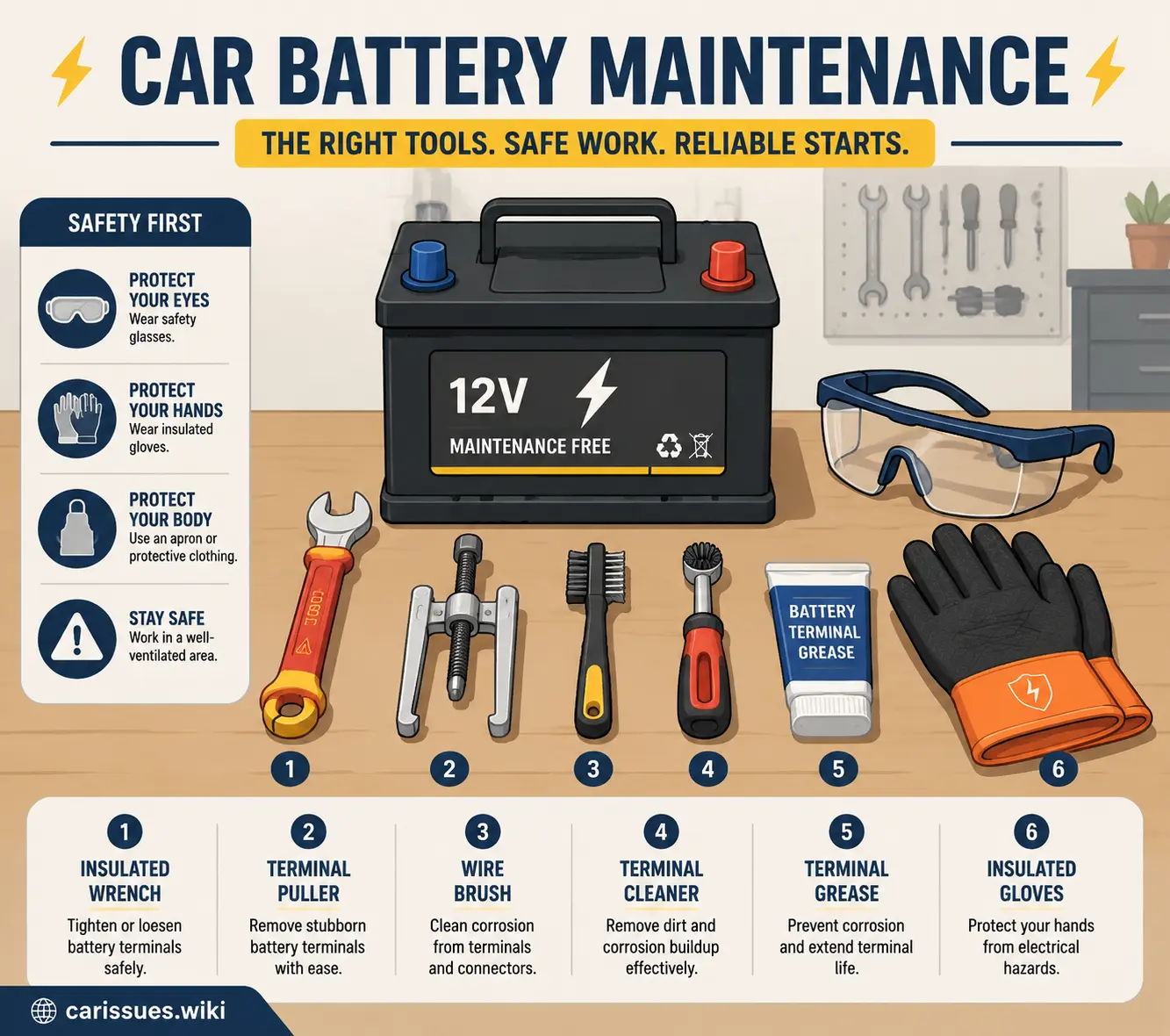
The right tools can transform battery maintenance from frustrating to effortless. Trying to loosen a terminal clamp with pliers or an ill-fitting wrench often leads to stripped hardware or accidental slips. A simple socket set or adjustable wrench is usually enough for most passenger vehicles.
Insulated hand tools add another layer of safety. These tools feature protective coatings designed to reduce accidental electrical contact. While a standard wrench can work perfectly fine when used carefully, insulated tools provide extra reassurance, especially for beginners.
Battery terminal pullers are another helpful accessory. Some terminals become stubborn due to corrosion or years of tight installation. Instead of twisting aggressively and risking damage, a puller removes the clamp evenly and safely. Wire brushes also help clean corrosion buildup before reconnection.
Here’s where many people make mistakes: overtightening. Battery clamps don’t need extreme force. Cranking down aggressively can crack battery posts or deform the clamp itself. The goal is a snug, stable connection that doesn’t move by hand.
Recommended Battery Maintenance Tools
| Tool | Purpose |
|---|---|
| Socket wrench set | Loosens terminal nuts |
| Insulated gloves | Protects hands |
| Safety glasses | Shields eyes |
| Battery terminal puller | Removes stuck clamps |
| Wire brush | Cleans corrosion |
| Terminal protector spray | Prevents future corrosion |
Step-by-Step Guide to Disconnecting the Negative Terminal
Now comes the actual process. Start by ensuring the vehicle is completely powered down. Open the hood securely and inspect the battery area for visible damage, leaks, or severe corrosion. If the battery appears cracked or swollen, stop immediately and consult a professional.
Locate the negative terminal marked with the minus symbol (-). Use the correct wrench or socket size to loosen the retaining nut by turning counterclockwise. You usually don’t need to remove the nut entirely. Loosen it just enough so the clamp can slide off the battery post.
When lifting the clamp, avoid twisting excessively or prying against the battery casing. Gentle movement is enough. Once removed, position the cable safely away from the terminal so it cannot spring back accidentally. Some mechanics wrap the terminal with a cloth or use terminal covers for additional protection.
If you plan to remove the battery entirely, disconnect the positive terminal only after the negative cable is secured away from contact. Keep metal tools from bridging between terminals at all times. Even a brief accidental connection can create sparks powerful enough to melt metal.
This process may sound overly cautious, but automotive electrical systems are unforgiving. One careless moment can destroy fuses or damage modules worth hundreds or thousands of dollars. Taking your time is always cheaper than rushing.
Loosening the Clamp Without Damaging the Connection
Battery terminals are softer than many people expect. Excessive force, hammering, or twisting can permanently damage the clamp or battery post. If corrosion has effectively glued the connection together, patience works better than brute strength.
Corrosion often forms because battery acid vapors react with surrounding metal. A mixture of baking soda and water can help neutralize corrosion before removal. Apply carefully, allow it to fizz, then wipe the area clean. Avoid letting debris fall into battery vent openings.
If the clamp still refuses to budge, use a battery terminal puller instead of prying with screwdrivers. Prying can crack the battery case or distort the terminal shape. A puller applies even pressure and minimizes damage risk.
Another common mistake involves pulling directly on the cable instead of the clamp. The cable connection itself can weaken internally, creating future electrical issues that are difficult to diagnose. Always grip the terminal clamp, never the wire insulation.
What to Avoid While the Battery Is Disconnected
Disconnecting the battery creates a temporary electrical blackout inside the vehicle. While that’s often necessary, it also means certain systems may lose stored memory settings. Radios, clock settings, seat memory, and engine adaptive learning values can reset depending on the vehicle design.
Avoid turning the ignition key while the battery is disconnected. Some vehicles react unpredictably when systems receive incomplete power signals. Also avoid placing tools or metal objects on top of the battery. Even disconnected batteries can still create dangerous shorts between terminals.
Leaving the battery disconnected for extended periods may also affect anti-theft systems. Certain vehicles require radio security codes or electronic resets afterward. Before disconnecting the battery, it’s smart to check whether your vehicle has any special reactivation requirements.
Another thing to avoid is reconnecting the terminals loosely. A poor connection creates resistance, heat buildup, and intermittent electrical issues. Drivers sometimes chase mysterious starting problems for months only to discover a slightly loose battery clamp causing voltage fluctuations.
Reconnecting the Terminal the Right Way
Reinstallation follows the reverse order of removal. Attach the positive terminal first, tighten it securely, then connect the negative terminal last. This sequence minimizes the risk of accidental grounding during installation.
Before reconnecting, inspect both terminals for corrosion or debris. Clean them thoroughly if necessary. Slide the clamp onto the battery post evenly rather than forcing it at an angle. Tighten the nut until the connection feels stable and does not rotate by hand.
Be careful not to overtighten. Many battery posts are made from soft lead alloys that deform under excessive pressure. A damaged terminal can create poor electrical contact and may require expensive replacement.
Once reconnected, start the vehicle and check for warning lights. Some systems may need a few minutes to recalibrate. Power windows, throttle response, and infotainment settings occasionally require relearning procedures after battery disconnection. This is normal in many modern vehicles.
Situations Where Disconnecting the Battery Can Reset Vehicle Systems
Disconnecting the battery does more than cut power. In some cases, it also resets certain vehicle electronics. Drivers sometimes disconnect the battery intentionally to clear temporary glitches, reset warning lights, or reboot infotainment systems. While this occasionally works, it’s not a universal fix.
Modern engine control units store adaptive learning data related to fuel trims, idle speed, and transmission behavior. Disconnecting the battery may erase this information temporarily, forcing the vehicle to relearn driving patterns over time.
Infotainment systems can also reset during battery removal. Bluetooth pairings, saved radio stations, and navigation preferences may disappear. In some vehicles, disconnecting the battery even resets automatic window calibration or seat memory positions.
Here are some situations where battery disconnection might reset systems:
- Check engine light after minor electrical glitches
- Frozen infotainment screens
- Power window recalibration issues
- ECU adaptive memory resets
- Radio or navigation reboots
That said, disconnecting the battery is not a magic repair method. Persistent warning lights or recurring electrical problems usually indicate deeper mechanical or electronic faults that require proper diagnosis.
Conclusion
Disconnecting the negative battery terminal may seem like a tiny maintenance detail, but it plays a massive role in vehicle safety. The simple act of removing the negative cable first protects against short circuits, sparks, and accidental damage to sensitive electronics. It’s one of those procedures that separates careful vehicle maintenance from risky guesswork.
The process itself is straightforward once you understand the logic behind it. Turn the vehicle off completely, identify the negative terminal correctly, use proper tools, loosen the clamp carefully, and keep the disconnected cable isolated from metal contact. Reinstallation follows the opposite order, with the positive terminal connected first and the negative terminal attached last.
Modern vehicles rely heavily on electronic systems, making battery safety more important than ever. A rushed or careless battery disconnect can create expensive problems in seconds. Taking a few extra moments to follow the correct procedure keeps both you and your vehicle protected.
FAQs
1. Why should the negative battery terminal be disconnected first?
The negative terminal connects to the vehicle chassis. Disconnecting it first removes the ground connection and reduces the risk of accidental short circuits and sparks.
2. Can disconnecting the battery reset the check engine light?
Sometimes. Disconnecting the battery may temporarily clear certain warning lights, but if the underlying issue still exists, the light will usually return after driving.
3. What happens if I disconnect the positive terminal first?
You increase the risk of creating a short circuit if your wrench touches the vehicle body while contacting the positive terminal. This can produce sparks and potentially damage electronics.
4. Do I need special tools to disconnect a battery terminal?
Usually no. A basic wrench or socket set is often enough. Safety glasses, gloves, and insulated tools provide additional protection and make the process safer.
5. Will disconnecting the battery erase my car settings?
It can. Some vehicles lose radio presets, clock settings, ECU memory, seat positions, and infotainment preferences when the battery is disconnected.

Marco Vestri is a 29-year-old American content writer based in Spokane, Washington. He specializes in creating well-researched automotive maintenance guides, troubleshooting articles, and practical ownership advice for everyday drivers. His work emphasizes accuracy, clear explanations, and reliable sources, helping readers make informed decisions with confidence. As a regular contributor to carissues.wiki, Marco combines years of blogging experience with a passion for simplifying complex vehicle topics into useful, trustworthy content for a broad audience.