
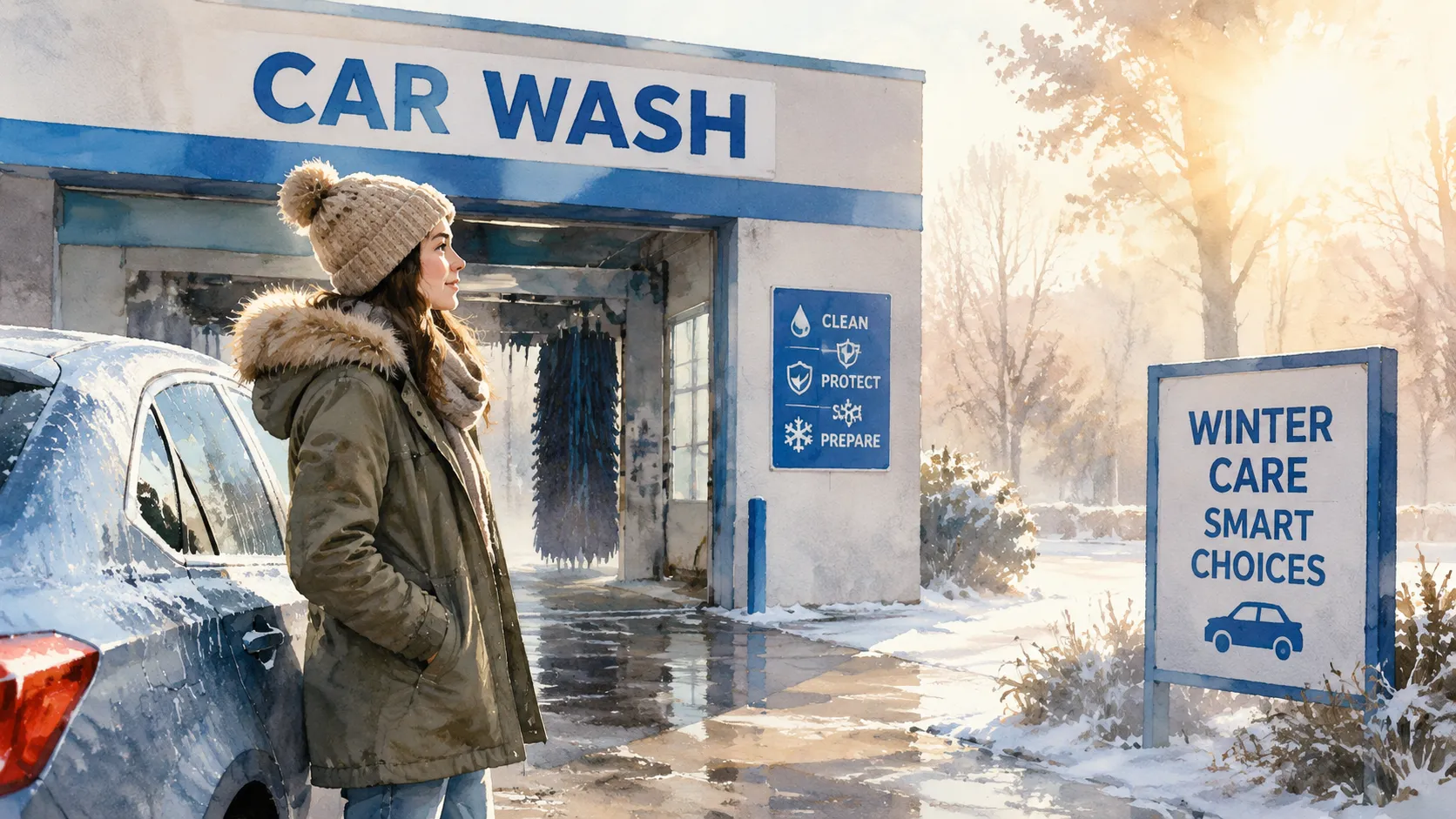
A lot of drivers avoid washing their vehicles during winter because it feels pointless. You clean the car today, and tomorrow it already looks like it survived a mud rally. Snow, slush, salt, and grime seem to return within hours. But skipping winter car washes entirely can quietly create long-term damage that costs far more than a weekly wash ever would. The truth is, winter is actually one of the most important seasons for vehicle cleaning, especially in regions where road salt is heavily used.
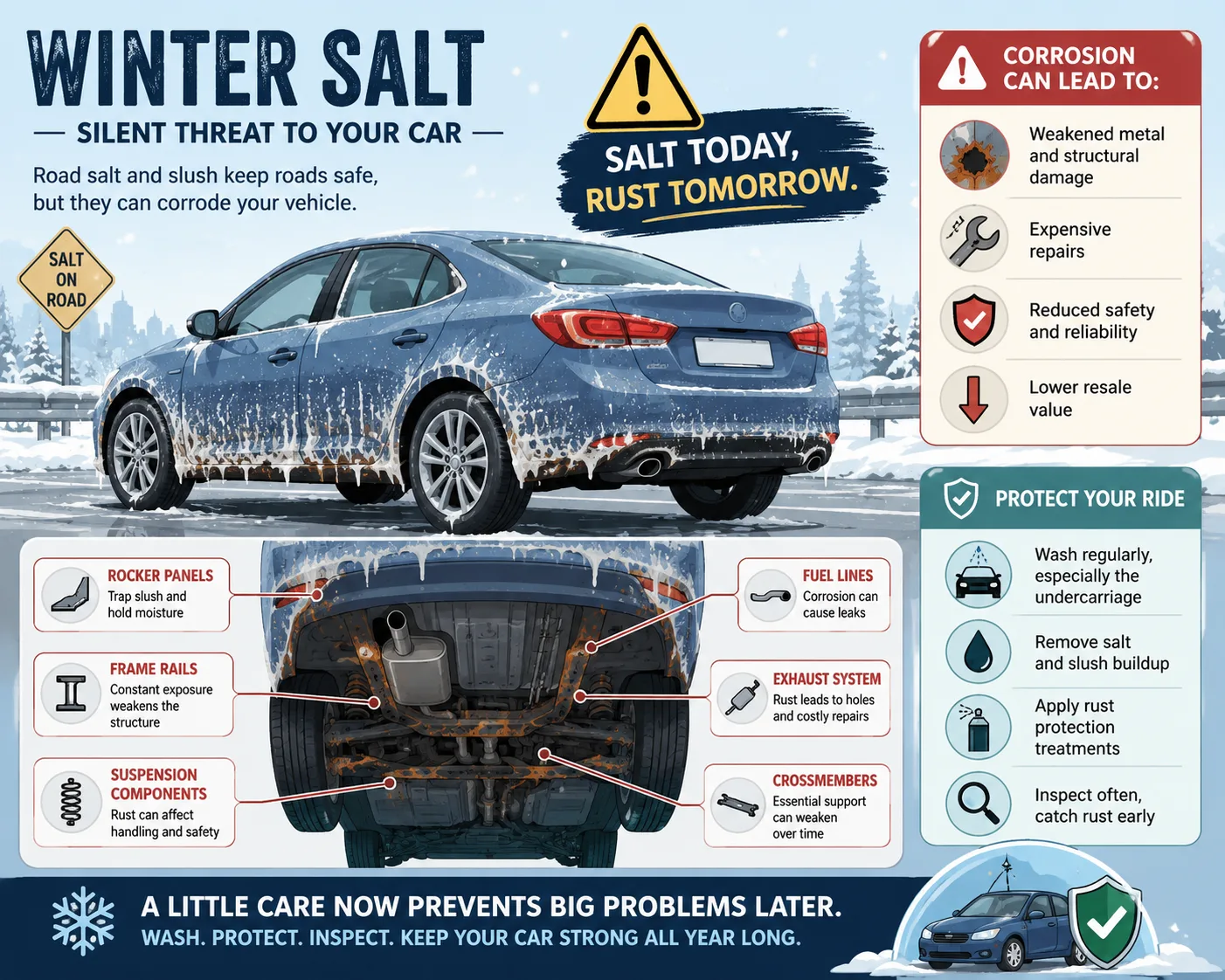
Road salt may keep roads safer, but it’s brutal on metal. According to winter vehicle maintenance guidance from organizations like and the , salt buildup can accelerate corrosion on undercarriage components, wheel wells, brake lines, and exposed metal surfaces. Think of road salt like cholesterol in arteries. You don’t immediately see the damage happening, but over time it slowly eats away at critical systems until expensive repairs appear out of nowhere.
Winter grime also traps moisture against your vehicle’s paint and seals. That constant wetness creates the perfect environment for rust formation. Older vehicles are particularly vulnerable, but even modern cars with advanced coatings can suffer when salt and freezing moisture remain trapped underneath. Drivers who regularly wash their vehicles during winter often extend the lifespan of their paint, suspension parts, and underbody components. That’s why many professional detailers recommend consistent winter washing rather than waiting for spring to undo months of neglect.
The Hidden Damage Caused by Road Salt
Salt doesn’t simply sit harmlessly on your car. It chemically accelerates oxidation, especially when temperatures fluctuate around freezing. When snow melts slightly during the day and refreezes overnight, salty moisture repeatedly expands and contracts inside tiny cracks and seams. This cycle slowly weakens protective coatings and exposes bare metal underneath. Once corrosion starts, it spreads like rust on an old chain left in the rain.
Experts also warn that the undercarriage is often ignored because drivers rarely see it. Yet that area receives the harshest punishment during winter driving. Brake components, exhaust systems, and suspension hardware constantly get sprayed with salty slush from the road. Washing the underbody removes this corrosive layer before it has time to settle permanently.
Why Dirt and Slush Accelerate Corrosion
Winter dirt isn’t ordinary dust. It’s a cocktail of chemicals, grit, moisture, and frozen debris. When this sludge sticks to paint and trim, it behaves almost like sandpaper. Every drive rubs those particles against the vehicle’s finish. Combined with moisture, that abrasion weakens protective layers over time.
Visibility is another major issue. Dirty headlights, salt-covered mirrors, and streaked windshields reduce nighttime driving safety significantly. Winter washing is not only cosmetic; it’s also practical maintenance that helps drivers stay safer on icy roads.
Understanding the Temperature Risk Zone
The biggest winter car wash question is simple: how cold is too cold? The answer depends on several factors including humidity, wind, drying methods, and whether you’re washing at home or using a professional facility. Still, most automotive experts agree on one thing; once temperatures drop below freezing, risks increase dramatically.
At 32°F (0°C), water begins freezing on contact with cold surfaces. That means leftover moisture can instantly turn into ice around mirrors, door handles, wipers, and seals. When temperatures reach roughly 20°F to 25°F (-6°C to -4°C), washing outdoors becomes much riskier because water freezes faster than it can evaporate.
Professional winter car wash guidance often recommends the safest washing temperatures to be around 40°F (4°C) or higher. At those temperatures, drying systems work effectively, moisture evaporates faster, and ice buildup becomes far less likely. Between 32°F and 40°F, washing is still possible but requires careful drying afterward.
What Happens at 32°F (0°C) and Below
Below freezing, the car itself becomes part refrigerator. Metal panels, rubber seals, and glass surfaces are already cold enough to freeze residual water almost instantly. That’s why drivers often discover frozen doors the morning after a wash. Water sneaks into tiny seams and expands when frozen.
Frozen water is surprisingly destructive because it expands as it turns into ice. That expansion creates pressure inside tight spaces like weather seals and small crevices. Over time, repeated freeze-thaw cycles may weaken rubber trim, stress paint edges, and damage seals.
The Safest Temperature Range for Washing a Vehicle
Here’s a practical breakdown many winter detailers follow:
| Temperature | Risk Level | Recommendation |
|---|---|---|
| Above 40°F (4°C) | Low | Safe for most washes |
| 32°F–40°F | Moderate | Safe with proper drying |
| 20°F–32°F | High | Use professional heated washes only |
| Below 20°F (-6°C) | Very High | Better to postpone washing |
These guidelines align with several recent automotive maintenance sources and professional wash recommendations.
When It’s Better to Wait for Warmer Weather
Sometimes patience is smarter than cleanliness. If temperatures are dropping rapidly overnight, or if a snowstorm is arriving within hours, washing may create more problems than benefits. Extremely cold weather increases the risk of frozen locks, icy driveways, and damaged seals.
If conditions remain below -10°C (14°F) for extended periods, many experts advise postponing nonessential washes altogether. That doesn’t mean abandoning winter care completely; it simply means waiting for a safer temperature window.
What Freezing Temperatures Can Do After a Wash
A freshly washed vehicle may look perfect when leaving the wash bay, but the real problems often begin later. As the car cools outdoors, trapped water starts freezing in places drivers rarely notice. That leftover moisture becomes the hidden enemy of winter car washing.
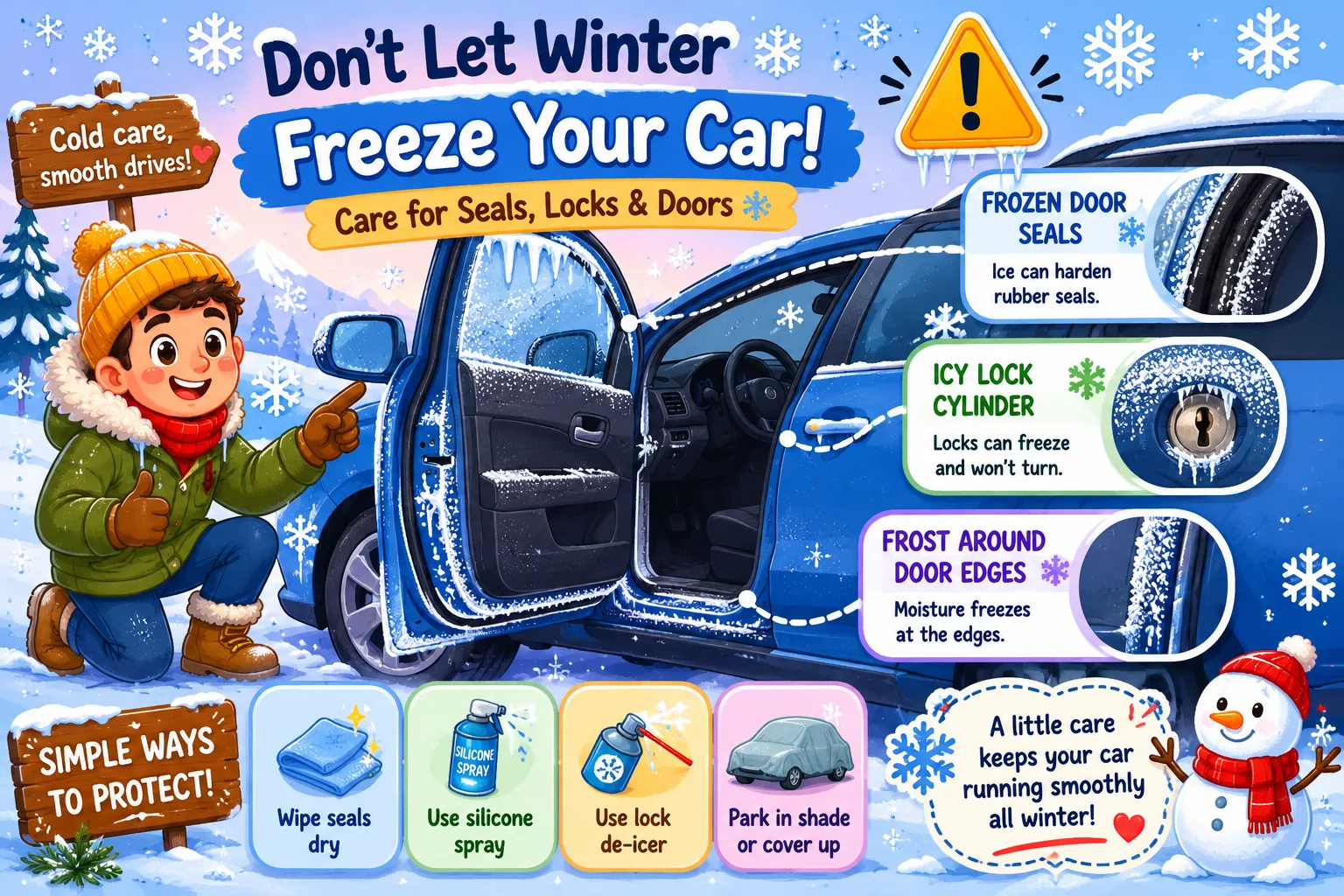
Door seals are among the most common casualties. Moisture trapped between rubber weather stripping and metal doors freezes overnight and essentially glues the doors shut. Anyone who has yanked desperately at a frozen car door on a winter morning understands how frustrating; and potentially damaging; this can be.
Frozen Door Seals and Locks
Locks are another vulnerable area. Water entering lock cylinders or electronic latch systems may freeze internally, preventing doors from opening. In severe cases, forcing frozen locks can damage mechanisms or break keys.
Rubber seals also become less flexible in freezing temperatures. When ice expands around them repeatedly, cracking and premature wear become more likely. Over several winters, these tiny stresses add up.
Ice Formation Around Mirrors and Wipers
Side mirrors and windshield wipers are especially exposed because they retain water easily. Residual moisture underneath wiper blades freezes quickly, causing blades to stick to glass. Pulling frozen blades loose can tear the rubber edge or weaken the wiper arm spring.
Mirrors can also develop hidden ice buildup around adjustment motors and folding mechanisms. Drivers often notice strange clicking sounds or stiff movement after winter washes because moisture froze internally.
Risks to Paint, Glass, and Rubber Components
Sudden temperature changes may also stress materials differently. Some experts warn about “thermal shock” when extremely warm wash water contacts super-cold surfaces. While modern vehicles are built to handle weather variation, repeated exposure to harsh temperature swings can gradually weaken seals and plastics.
Paint itself is usually less vulnerable than people assume, but trapped moisture around chips and scratches creates opportunities for corrosion beneath the surface.
Why Water Left Behind Causes Problems
Water is harmless when it evaporates quickly. The trouble begins when moisture lingers in hidden spaces after the wash. Winter temperatures transform tiny leftover droplets into expanding ice crystals that behave almost like wedges.
Think about pouring water into a cracked rock and freezing it overnight. The expanding ice widens the crack. The same thing can happen inside narrow automotive seams and trim areas. Small repeated expansion cycles slowly stress components over time.
Expansion of Frozen Water in Tight Spaces
Frozen water can create surprising force. That force may separate trim slightly, weaken adhesive seals, or allow additional moisture inside later. Once small gaps form, even more water becomes trapped during future washes.
This process is especially problematic around older rubber weather seals. Aging rubber already loses flexibility during winter. Add freezing water expansion, and deterioration speeds up significantly.
The Danger of Moisture in Door Jambs
Door jambs are often overlooked during drying, yet they trap moisture easily. Water pooled inside these channels may freeze solid overnight. Drivers then hear cracking sounds while opening doors because ice bonds break apart suddenly.
Fuel doors, trunk seals, and hood latches face similar risks. A vehicle can appear completely dry externally while hidden water remains trapped underneath.
How Professional Car Washes Handle Winter Conditions
Professional winter car washes aren’t simply spraying warm water and hoping for the best. Many facilities use specialized systems specifically designed to reduce freezing risks during cold weather operation.
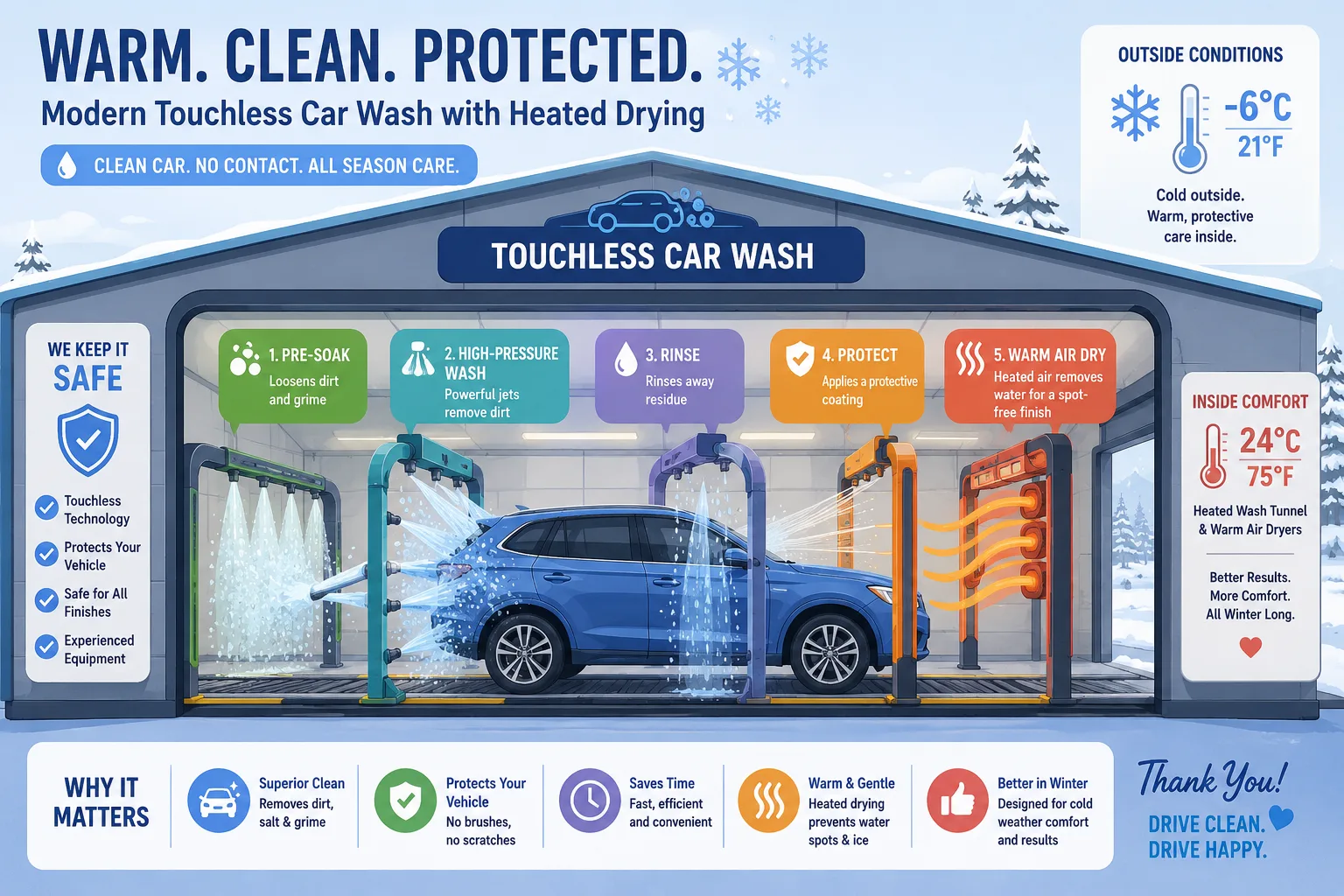
Modern wash tunnels often include heated bays, warm rinse cycles, industrial blow dryers, and anti-freeze detergents. These features help remove moisture rapidly before ice can form.
Heated Bays and Industrial Drying Systems
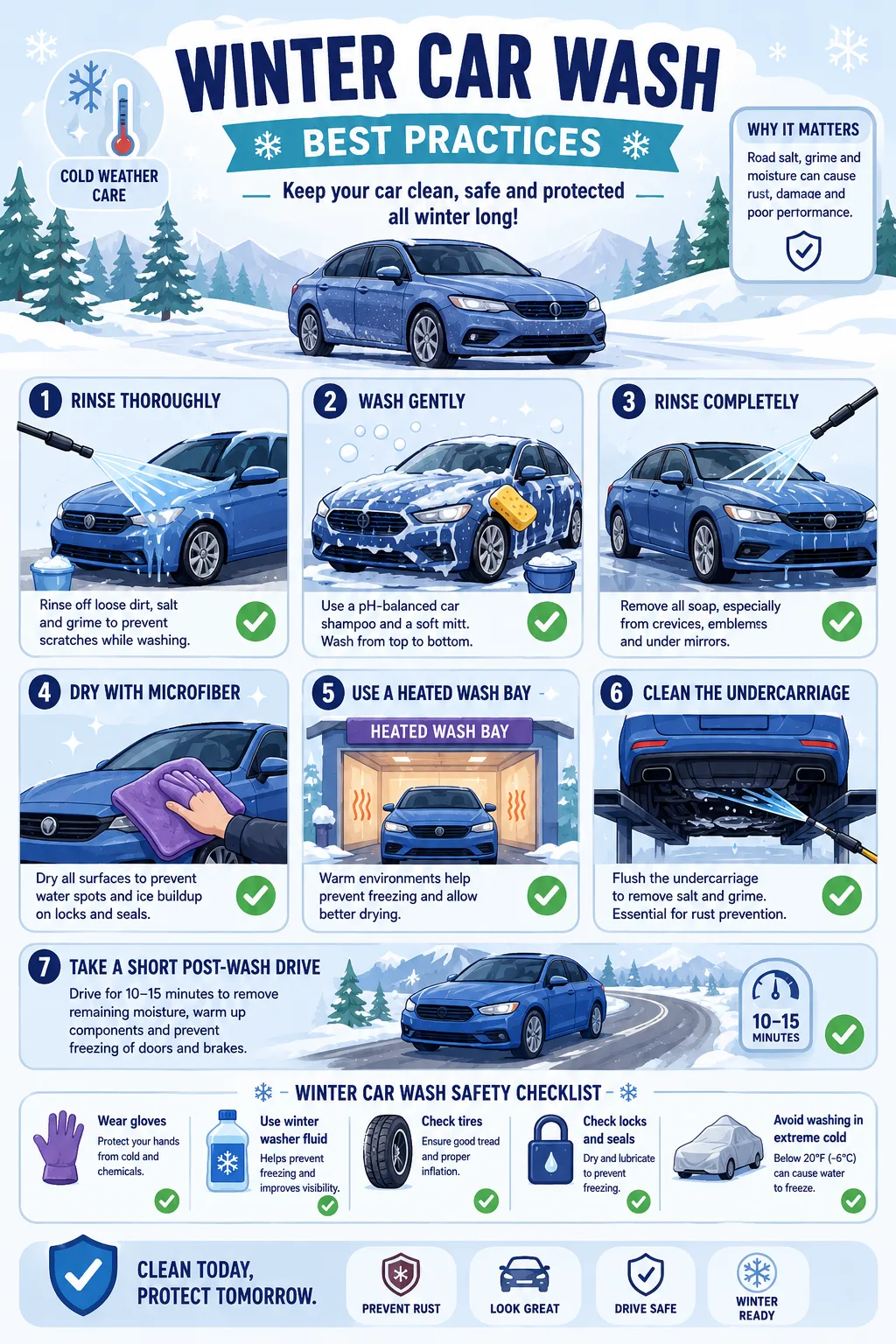
Heated wash environments dramatically reduce freezing risks because the vehicle remains warmer during the cleaning process. High-powered air dryers remove water from mirrors, trim edges, and seams more effectively than hand drying alone.
Some professional facilities also maintain thermostatically controlled systems to prevent equipment freeze-ups during sub-freezing conditions. This is why many commercial washes remain operational even during harsh winters.
Undercarriage Cleaning During Winter
Undercarriage washing becomes especially important in winter because that’s where corrosive salt accumulates most aggressively. Professional washes often include targeted underbody spray systems capable of reaching suspension and frame areas difficult to clean manually.
Drivers sometimes focus too heavily on shiny paint while forgetting the mechanical parts underneath are enduring the worst chemical exposure.
Why Touchless Washes Are Popular in Cold Weather
Touchless washes are popular during winter because they reduce physical contact with frozen dirt particles. Traditional brushes rubbing salty grit against paint may increase swirl marks and scratches.
Touchless systems rely more heavily on pressure and detergents rather than friction. Many winter drivers prefer them because they combine convenience with lower paint-contact risk.
Areas Most Vulnerable to Ice Buildup
Certain vehicle areas practically act like ice magnets during winter. Knowing where freezing commonly occurs helps drivers dry these spots more carefully after washing.
Door Handles, Mirrors, and Fuel Doors
Door handles contain tiny moving parts where moisture easily hides. Even a few frozen droplets can jam mechanisms temporarily. Fuel doors are another common frustration because frozen hinges make refueling difficult.
Mirrors trap water underneath their housings, particularly folding mirrors with electric motors. If ice forms repeatedly, motor strain may eventually develop.
Wheel Wells and Undercarriage Components
Wheel wells constantly collect slush and snow during winter driving. After washing, residual moisture mixed with road debris often freezes into thick ice chunks. Those chunks can interfere with steering components or suspension movement in extreme cases.
Undercarriage buildup is even more concerning because drivers rarely inspect it. Frozen salt deposits may stay attached for weeks without proper cleaning.
Winter Washing Habits That Protect Paint and Undercarriage
Smart winter washing isn’t about washing constantly. It’s about washing strategically. Timing, drying, and preparation matter far more than frequency alone.
Timing Your Wash Around Weather Changes
The best winter wash days are often right before temperatures rise slightly above freezing. Midday sunlight helps moisture evaporate faster while reducing overnight freezing risk.
Avoid washing late in the evening when temperatures are expected to drop sharply overnight. That’s practically an invitation for frozen seals and icy locks.
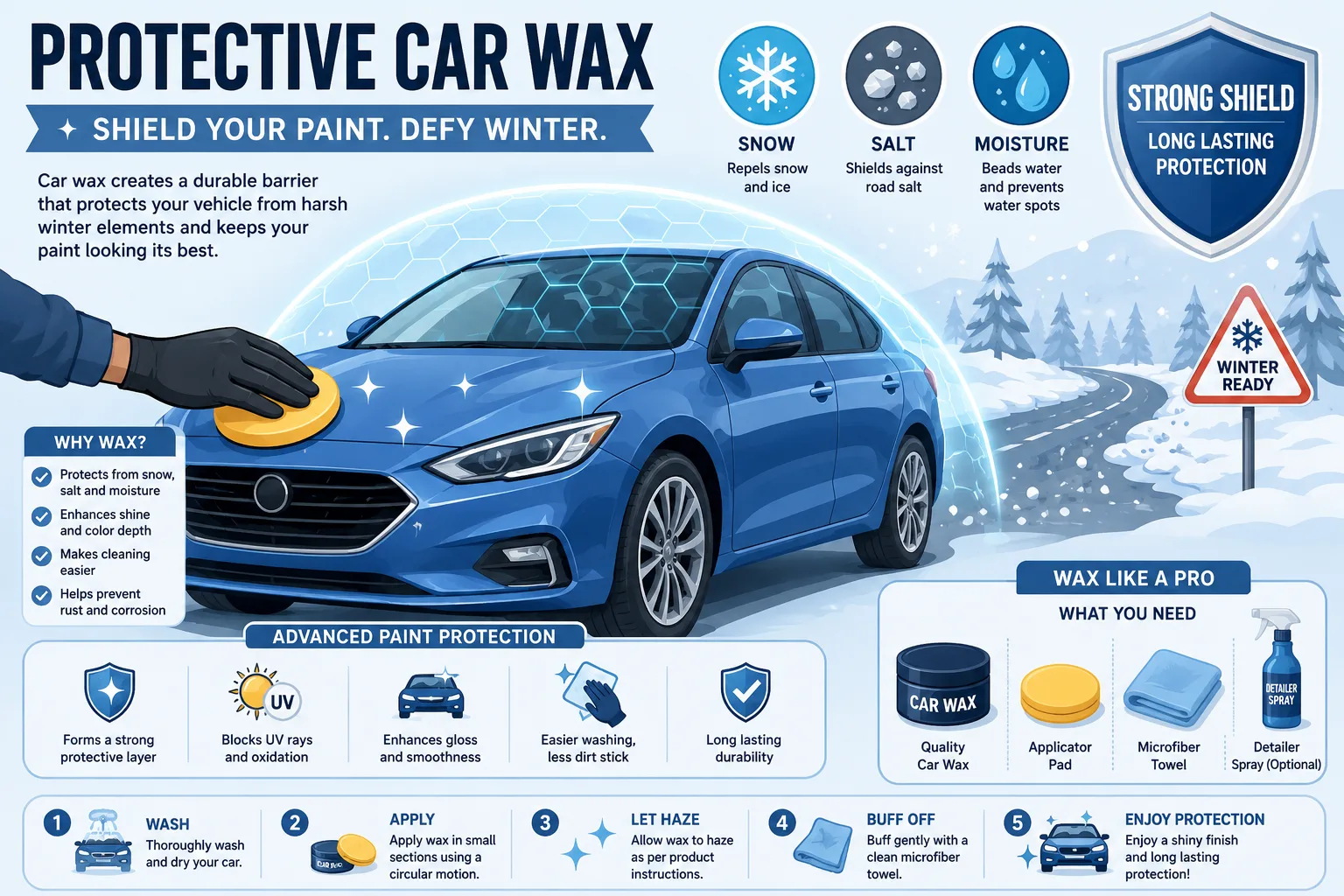
Using Protective Wax and Sealants
Wax and paint sealants work like winter jackets for your car. They create a protective barrier that reduces salt adhesion and moisture penetration. Vehicles with strong protective coatings are easier to clean because grime doesn’t cling as aggressively.
Ceramic coatings are increasingly popular because they repel water extremely effectively. While they’re more expensive initially, many drivers appreciate the reduced winter maintenance effort.
Drying Methods That Reduce Cold-Weather Risks
Drying is arguably more important than washing itself during winter. A poorly dried vehicle becomes an ice sculpture waiting to happen.
Microfiber Towels vs Air Drying
Microfiber towels remain one of the safest and most effective winter drying methods because they absorb water quickly without scratching paint. Air drying outdoors in freezing weather is rarely sufficient because evaporation slows dramatically in cold temperatures.
Professional blow dryers help, but manually drying vulnerable areas afterward provides additional protection.
Driving After the Wash to Remove Moisture
Many winter drivers intentionally take a short highway drive after washing. Airflow helps remove moisture trapped around mirrors, wheel wells, and trim edges. Reddit discussions among winter drivers frequently mention this technique as a practical habit for reducing ice buildup.
Parking immediately after a wash allows hidden moisture to freeze more easily. A brief drive combined with cabin heat can significantly reduce freezing risks.
Conclusion
Winter car washing is less about appearance and more about protection. Salt, slush, and chemical buildup quietly attack paint, seals, suspension parts, and undercarriage components throughout the cold season. Ignoring those contaminants for months can shorten the lifespan of critical vehicle systems and create expensive repair problems later.
The safest approach is understanding temperature limits and adjusting your washing routine accordingly. Above freezing, washing is generally safe with proper drying. Near or below freezing, professional heated car washes become the smarter option. During extreme cold snaps, waiting for milder weather may protect your vehicle better than forcing a wash.
Drivers who combine careful timing, undercarriage cleaning, protective coatings, and thorough drying typically experience fewer winter-related vehicle problems. A clean winter car isn’t only about pride; it’s about preserving the machine underneath the snow and salt.
FAQs
1. Is it safe to wash a car at 32°F?
Yes, but only with careful drying afterward. At freezing temperatures, leftover moisture can quickly turn into ice around doors, mirrors, and seals. Professional heated washes are safer than driveway washing.
2. What temperature is too cold for a car wash?
Most experts consider temperatures below 20°F (-6°C) risky for outdoor washing. At that point, water freezes very rapidly and may create ice-related damage or safety hazards.
3. Why is road salt dangerous for vehicles?
Road salt accelerates corrosion by trapping moisture against metal surfaces. Over time, it can damage undercarriage parts, brake lines, suspension components, and paint.
4. Should I dry my car after a winter wash?
Absolutely. Drying reduces the chance of frozen locks, stuck doors, and ice buildup around trim and mirrors. Microfiber towels and professional air dryers work best.
5. Are touchless car washes better in winter?
Many drivers prefer touchless washes during winter because they reduce paint contact with gritty salt particles. They also typically include stronger drying systems designed for cold-weather operation.

Marco Vestri is a 29-year-old American content writer based in Spokane, Washington. He specializes in creating well-researched automotive maintenance guides, troubleshooting articles, and practical ownership advice for everyday drivers. His work emphasizes accuracy, clear explanations, and reliable sources, helping readers make informed decisions with confidence. As a regular contributor to carissues.wiki, Marco combines years of blogging experience with a passion for simplifying complex vehicle topics into useful, trustworthy content for a broad audience.