
If you are a parent, few things matter more than your child’s safety on the road. A Graco car seat might look perfectly fine after years of use, but appearances can be deceiving. One of the biggest surprises for many parents is learning that car seats actually expire. It sounds strange at first. After all, a car seat is made from hard plastic, thick padding, and sturdy straps. Why would something so solid suddenly become unsafe after a certain date?
The truth is that every car seat has a limited lifespan, and Graco car seats are no exception. According to official guidance from , most Graco seats are designed to last between 7 and 10 years, depending on the model and materials used. That expiration period is not random marketing hype. It is based on testing, material durability, evolving crash safety regulations, and years of engineering data.
Think about what a car seat goes through during everyday life. It sits in freezing cold temperatures during winter mornings and bakes under brutal summer heat in parking lots. It gets spilled on, tightened, loosened, dragged through airports, tossed into trunks, and cleaned with all kinds of products. Over time, those conditions slowly weaken the integrity of the seat. It’s kind of like a football helmet. It may still look usable from the outside, but the internal protection system can weaken long before visible damage appears.
Parents also face another challenge: understanding how expiration dates differ between infant seats, convertible seats, and booster seats. Add in questions about secondhand seats, storage practices, and crash replacements, and things can get confusing fast. This guide breaks down everything in simple terms so you know exactly how long a Graco car seat is good for, where to find the expiration information, and how to keep your child riding safely every mile of the journey.
Why Graco Car Seats Have Expiration Periods
Many parents initially assume expiration dates are just a way for manufacturers to sell more products. That suspicion is understandable because car seats often look perfectly functional years later. But when you dig into the science and safety standards behind child restraints, the reasons become much clearer. Graco and other manufacturers establish expiration periods because car seats are engineered safety devices, not permanent household furniture.
Material Breakdown Over Time
One of the biggest reasons car seats expire is material degradation. The plastic shell of a car seat absorbs enormous force during a collision. Over time, exposure to extreme temperatures can make that plastic brittle and less effective. According to Graco’s official safety information, their seats undergo testing in extreme hot and cold conditions because temperature fluctuations can weaken structural integrity.
Imagine leaving a plastic lawn chair outside for years. At first, it seems sturdy. Then one day, it cracks unexpectedly under pressure. A similar process can happen with car seat plastics, except the stakes are far higher. Vehicle interiors can exceed 140°F during hot summer days, especially in southern climates. Repeated heating and cooling cycles slowly stress the materials.
The harness system also experiences wear over time. Straps can fray, stitching can weaken, and foam energy absorbers can compress after years of daily use. Even if these changes are not visible, they can affect crash performance. That’s why manufacturers test seats for a specific usable lifespan rather than forever use.
Changing Federal Safety Standards
Another major reason for expiration periods involves changing regulations and advancing technology. Car seat safety standards evolve constantly as researchers learn more about crash dynamics and child protection. A seat designed ten years ago may not meet modern expectations for side-impact protection or rollover performance.
The emphasizes the importance of checking manufacture dates because older seats may no longer align with current recommendations or recalls. It’s similar to how smartphones eventually stop receiving security updates. The product may still turn on, but it no longer provides the highest level of protection available.
Graco now tests many of its seats under stricter internal standards, including rear-impact and rollover scenarios that go beyond minimum federal requirements. Older models may lack those newer engineering improvements. For parents, upgrading before expiration is not just about following rules. It’s about giving children the benefit of the latest safety advancements available.
Average Lifespan of Different Graco Car Seat Types
Not every Graco car seat lasts the same amount of time. Lifespan varies depending on the seat category, the materials used, and the engineering design. Understanding those differences helps parents plan purchases more wisely, especially when thinking about multiple children.
| Graco Car Seat Type | Typical Lifespan |
|---|---|
| Infant Car Seat | 7 Years |
| Convertible Car Seat | 7–10 Years |
| Booster Seat | 10 Years |
| All-in-One Seat | 10 Years |
Infant Car Seat Lifespan
Most Graco infant car seats are designed for approximately 7 years of use from the manufacture date. These seats are typically used only during infancy, but their shorter lifespan reflects the lightweight materials and portable design. Infant carriers endure heavy handling. Parents constantly move them in and out of vehicles, attach them to strollers, and carry them by hand. That repeated movement increases wear over time.
A popular example is the Graco SnugRide series, which commonly carries a 7-year lifespan. Even if the seat appears barely used after one child, the countdown starts from the original manufacture date, not from the day you purchased it. This catches many families by surprise when planning for future siblings.
Convertible Car Seat Lifespan
Convertible seats often last longer because they are designed for extended use across several growth stages. Many Graco convertible and all-in-one models provide 10 years of usable life, especially those with steel-reinforced belt paths. These seats are built tougher because they are expected to support children from infancy through toddlerhood and sometimes beyond.
That longer lifespan makes convertible seats appealing for growing families. Some parents intentionally choose 10-year seats so one purchase can cover multiple children over time. It’s a bit like buying a reliable SUV instead of a compact car. The upfront investment is higher, but the long-term flexibility can save money later.
Booster Seat Lifespan
Graco booster seats generally offer a 10-year lifespan as well. Since booster seats are used by older children and rely more heavily on the vehicle’s seatbelt system, manufacturers often design them with longer durability expectations. Still, parents should inspect boosters regularly for cracks, missing armrests, or worn guides that could affect proper belt positioning.
The key takeaway is simple: always check your specific model. Different Graco products may vary slightly, and the safest answer always comes directly from the manufacturer label or manual.
Where to Check Manufacture and Expiration Dates
Finding the expiration date on a Graco car seat is easier once you know where to look. The challenge is that the information may appear in different formats depending on the model and production year.
Common Sticker Locations
Most Graco seats include a white sticker or molded label attached somewhere on the plastic shell. Common locations include:
- The bottom of the seat
- The back panel
- Near the harness adjustment area
- Under the seat base
- Beside the tether strap
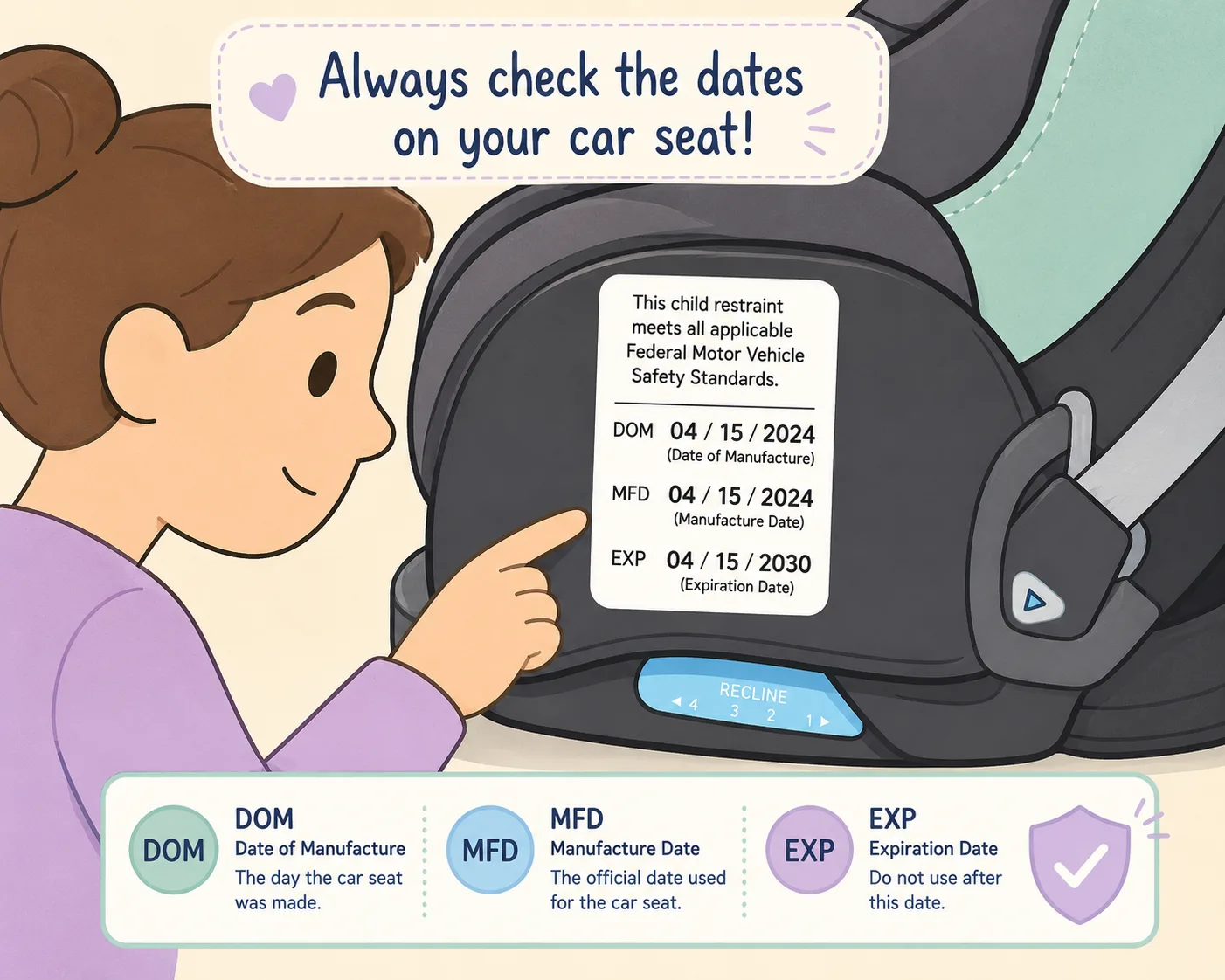
Some labels clearly say “Do Not Use After” followed by a month and year. Others list only the manufacture date, requiring parents to calculate the expiration date manually using the seat’s lifespan.
For example:
Manufacture Date: March 2020
Seat Lifespan: 10 Years
Expiration Date: March 2030
It sounds simple, but many parents never check these labels until years later. A good habit is to snap a photo of the label when you first buy the seat. That way, you always have the information handy even if the sticker fades.
Understanding Date Labels and Codes
Graco sometimes uses abbreviations such as:
- DOM = Date of Manufacture
- MFD = Manufactured Date
- EXP = Expiration Date
Some older seats use numeric codes rather than straightforward labels. That’s where the instruction manual becomes important. If you lost the manual, Graco’s support website often provides digital copies using the model number.
According to NHTSA guidance, parents should also confirm the seat has never been recalled and still contains all original parts before continued use. Missing inserts or aftermarket accessories can compromise performance during a crash.
How Heat, Sunlight, and Daily Use Affect Car Seats
Cars are harsh environments. During summer, the inside of a parked vehicle can feel like an oven. During winter, freezing temperatures make plastics contract and stiffen. Those constant environmental swings slowly impact the materials inside a car seat.
Plastic Weakening From Temperature Changes
Graco specifically states that extreme temperatures can manipulate materials and make them more brittle. This is one reason manufacturers assign expiration periods instead of indefinite use. Plastic weakens gradually under repeated stress, especially when exposed to UV rays and intense heat.
Picture a rubber band sitting outside for years. Eventually, it dries out and snaps unexpectedly. Car seat materials face similar environmental fatigue, though the deterioration may not be obvious to the naked eye.
Sunlight exposure also accelerates wear. Families living in hot climates often see faster fading and brittleness. Window tinting and shaded parking help reduce UV damage, but they cannot stop aging entirely.
Harness Wear and Foam Compression
The harness system is another critical safety component. Children tug on straps constantly. Parents tighten and loosen harnesses daily. Food spills seep into padding. Cleaning chemicals can weaken fibers if used incorrectly.
Energy-absorbing foam inside the seat also compresses slowly over time. During a crash, that foam helps distribute force and protect the child’s body. Once it deteriorates, the seat may no longer perform as originally engineered.
Daily wear is like repeatedly bending a paperclip. At first, nothing happens. Eventually, repeated stress weakens the structure enough to break. That same principle applies to long-term car seat use.
Signs a Graco Car Seat Should Be Replaced Early
Expiration dates matter, but some seats need replacement long before reaching that point. Damage, accidents, and missing components can all make a seat unsafe immediately.
Crash Damage
One of the most important rules is replacing seats after significant crashes. Even if the damage is invisible, internal stress fractures can compromise performance. NHTSA advises avoiding secondhand seats with unknown crash histories for this exact reason.
Think of a motorcycle helmet after an accident. It may still look intact externally, but the protective structure inside could already be compromised. Car seats work similarly.
Parents should contact the manufacturer after any collision to determine whether replacement is necessary. Insurance policies often cover replacement costs following crashes.
Cracks, Missing Parts, and Frayed Straps
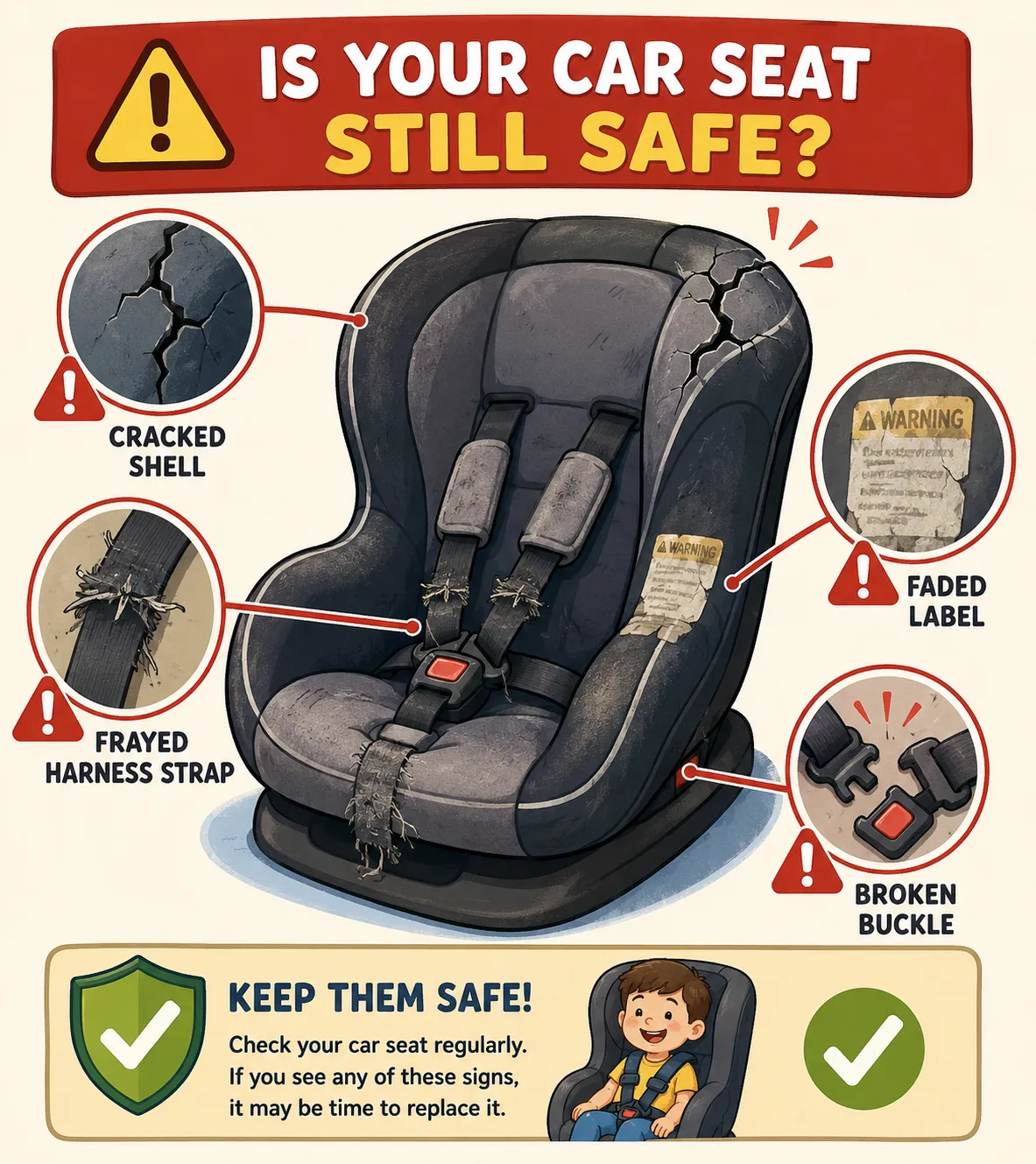
You should replace a seat immediately if you notice:
- Cracked plastic shell
- Frayed harness straps
- Broken buckles
- Missing chest clips
- Loose foam padding
- Faded or unreadable labels
- Mold growth inside padding
Even small cracks can expand dramatically during a collision. Likewise, frayed straps may not distribute crash forces correctly. A seat is only as strong as its weakest component.
Some parents try DIY fixes using glue, sewing kits, or aftermarket accessories. That approach is risky because modifications can interfere with tested crash performance. When in doubt, replace the seat instead of gambling with safety.
Can You Reuse an Older Graco Car Seat?
Many families reuse car seats for younger siblings. In many situations, that’s perfectly safe; but only under the right conditions.
Questions to Ask Before Reusing
Before reusing an older seat, ask yourself:
- Is the seat still within its expiration date?
- Has it ever been involved in a crash?
- Are all labels readable?
- Does it still include all original parts?
- Are the straps and buckles functioning properly?
- Has the seat been stored correctly?
If the answer to any of those questions is uncertain, caution is the smarter path.
Graco itself advises against using secondhand seats unless you know the full history. That recommendation is especially important for garage-sale or thrift-store purchases where previous crash exposure is impossible to verify.
Risks of Buying Secondhand Seats
Used seats can seem like a bargain, especially because new models are expensive. But the hidden risks are significant. A secondhand seat may:
- Be expired
- Have unseen crash damage
- Be missing critical parts
- Have recalls that were never repaired
- Contain weakened harness systems
It’s similar to buying a used parachute from a stranger. Maybe it’s perfectly fine. Maybe it isn’t. When your child’s life depends on it, uncertainty becomes a serious issue.
What To Do After a Graco Car Seat Expires
Once a car seat expires, it should no longer be used for transporting children. That doesn’t necessarily mean tossing it into a landfill immediately, though proper disposal matters.
Proper Disposal Methods
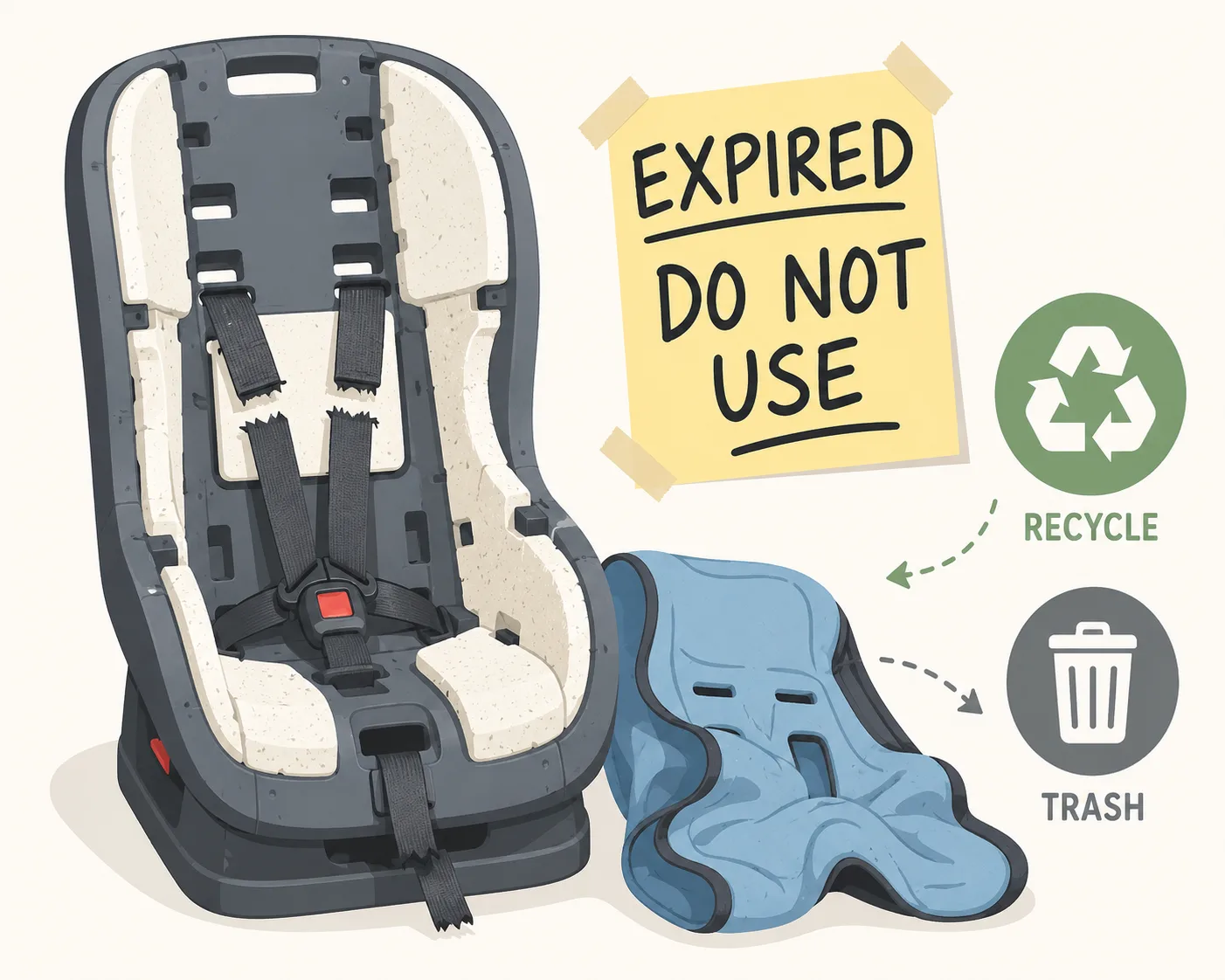
Graco recommends making expired seats unusable before disposal. Parents should:
- Cut the harness straps
- Remove fabric covers
- Write “EXPIRED; DO NOT USE”
- Dispose of the shell properly
These steps prevent someone else from unknowingly using an unsafe seat later. Simply placing an expired seat on the curb without marking it could put another child at risk.
Recycling and Trade-In Programs
Some retailers offer trade-in programs where parents receive discounts on new gear when turning in expired seats. These programs are popular because they encourage safe disposal while helping families save money.
Recycling availability varies by location, but many components such as metal pieces and some plastics can often be processed separately. Checking local recycling guidelines is worthwhile before throwing everything away.
Storage Tips That Help Maintain Seat Integrity
Good storage habits cannot stop expiration dates, but they can help maximize safety and preserve condition throughout the usable lifespan.
Ideal Storage Conditions
When storing a car seat between children, keep it in:
- A climate-controlled indoor space
- Dry environments away from moisture
- Areas protected from direct sunlight
- Clean storage bins or bags
Avoid garages, attics, or sheds whenever possible. Those spaces experience major temperature swings that accelerate material aging.
Imagine leaving a laptop in a scorching garage for years. Even if it still powers on later, internal components likely deteriorated faster than they would indoors. Car seats react similarly to environmental stress.
Cleaning and Maintenance Habits
Parents should also follow manufacturer cleaning instructions carefully. Harsh cleaners and bleach can weaken fabrics and harness materials. Gentle soap and water are usually safest unless the manual specifies otherwise.
Routine inspections help catch problems early. Check the seat monthly for:
- Loose stitching
- Cracks
- Sticky buckles
- Twisted straps
- Faded labels
Small maintenance habits make a huge difference over years of daily use.
Frequently Asked Questions Parents Ask About Older Seats
Parents naturally have lots of questions about older car seats because replacing them can feel expensive and inconvenient. Some wonder whether lightly used seats truly need replacement. Others question whether expiration dates are overly cautious.
The reality is that manufacturers establish those dates using engineering analysis, crash testing, and material durability research. While a seat may physically survive beyond expiration, there is no guarantee it will perform as intended during a severe collision. Safety devices are designed around predictable performance standards, not guesswork.
Parents should also remember that car seat technology improves consistently. Seats manufactured today often include enhanced side-impact protection, easier installation systems, and better energy management than older models. Upgrading is not only about avoiding weakened materials. It also means benefiting from years of innovation.
Families trying to save money can focus on long-lifespan convertible or all-in-one models. Those seats often provide excellent long-term value because they adapt across multiple growth stages. Choosing the right seat upfront may reduce replacement frequency later.
At the end of the day, the purpose of a car seat is not convenience. It’s protection during the worst moments imaginable. That perspective helps many parents understand why expiration dates matter so much.
Conclusion
A Graco car seat is typically good for 7 to 10 years, depending on the specific model and construction materials. Infant seats usually last around 7 years, while many convertible and booster seats provide up to 10 years of use. Those expiration periods exist because plastics weaken over time, safety standards evolve, and daily wear slowly affects crash performance.
Parents should always check the manufacture and expiration labels directly on the seat, inspect for damage regularly, and replace seats immediately after significant crashes or visible deterioration. Heat exposure, sunlight, missing parts, and improper storage can all shorten safe usability even before the official expiration date arrives.
Reusing seats between siblings is often safe if the seat remains within its lifespan and has a known history. Buying secondhand seats from unknown sources carries far more risk because hidden crash damage or missing parts may compromise safety.
A car seat is one of the most important safety investments a parent makes. Keeping track of expiration dates and maintenance habits ensures that investment continues protecting children exactly as intended every time they ride.
FAQs
1. How do I know if my Graco car seat is expired?
Look for the label on the back or bottom of the seat. It may show either the expiration date directly or the manufacture date along with the seat’s lifespan.
2. Are all Graco car seats good for 10 years?
No. Some Graco seats last 7 years, while others last 10 years. Booster seats and steel-reinforced models commonly have longer lifespans.
3. Can a car seat expire even if it looks brand new?
Yes. Expiration is based on material aging, safety testing limits, and changing regulations, not just visible wear.
4. Should I replace a Graco car seat after a minor accident?
Always check the manufacturer’s recommendations and insurance guidance after any crash. Some accidents require immediate replacement even if damage is not visible.
5. Is it safe to buy a used Graco car seat?
Only if you know the full history, including crash exposure, recalls, and expiration status. Unknown secondhand seats carry serious safety risks.

Marco Vestri is a 29-year-old American content writer based in Spokane, Washington. He specializes in creating well-researched automotive maintenance guides, troubleshooting articles, and practical ownership advice for everyday drivers. His work emphasizes accuracy, clear explanations, and reliable sources, helping readers make informed decisions with confidence. As a regular contributor to carissues.wiki, Marco combines years of blogging experience with a passion for simplifying complex vehicle topics into useful, trustworthy content for a broad audience.