
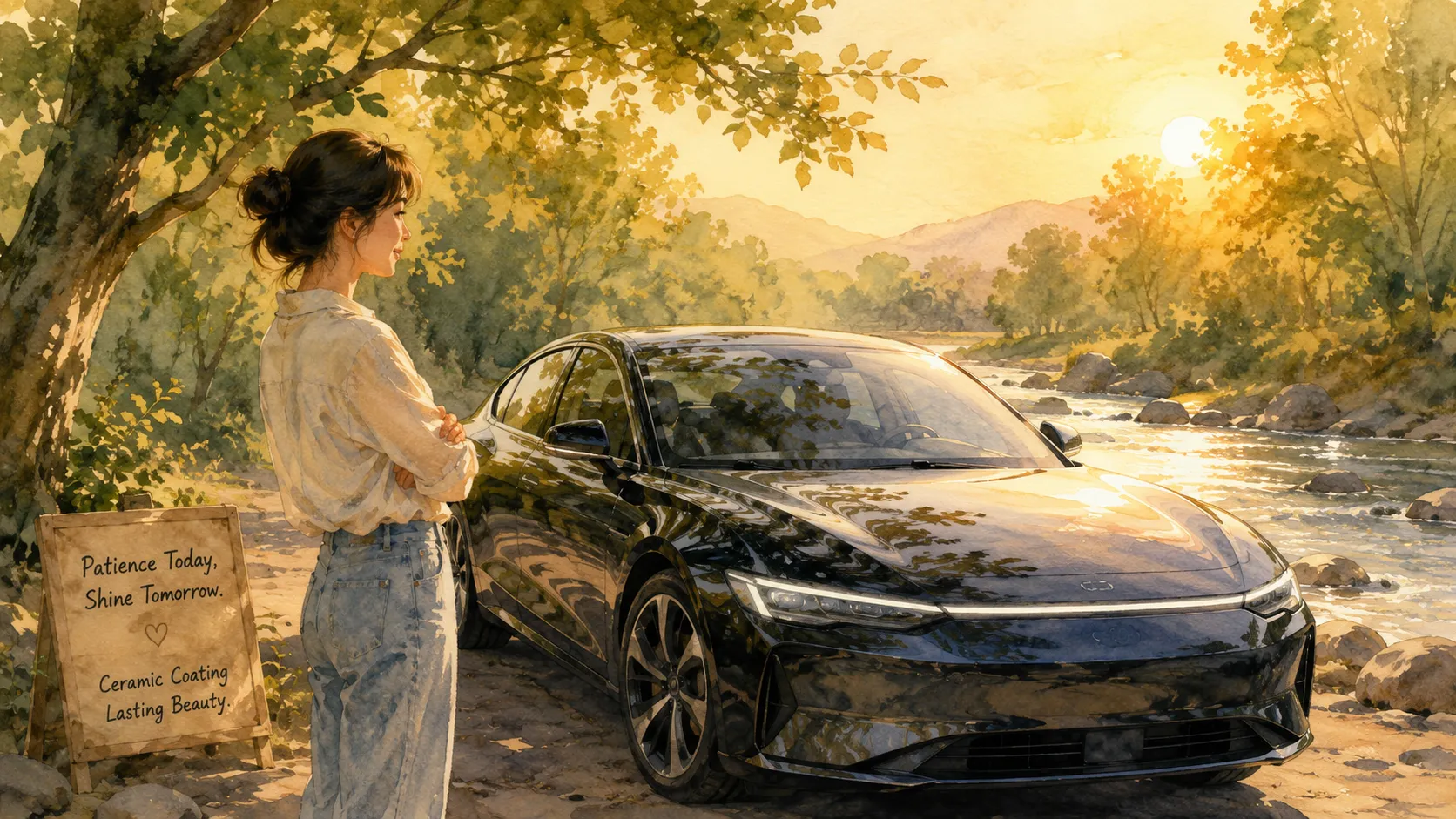
Getting a ceramic coating applied to your car feels a bit like putting armor on your paintwork. The finish becomes slick, glossy, and far more resistant to dirt, UV rays, bird droppings, and water stains. But here’s the catch that many car owners overlook: a ceramic coating is extremely vulnerable during its first few days. That shiny protective layer may look ready to handle the world immediately after application, but underneath the surface, a chemical curing process is still happening.
A lot of people assume the coating is fully hardened once the installer hands back the keys. That assumption can become expensive. Washing the vehicle too early, exposing it to harsh detergents, or even allowing rainwater to sit on the paint during the wrong stage can reduce the coating’s lifespan before it ever reaches peak performance. Think of ceramic coating like freshly poured concrete. It may appear dry on top, but internally it still needs time to strengthen and bond properly.
According to multiple detailing industry sources, most ceramic coatings require at least 12–24 hours before any water exposure and around 7 days before the first proper wash. Some advanced coatings need up to 14 days for full chemical curing. That waiting period can feel frustrating, especially if rain suddenly appears in the forecast or dust starts settling on the car. Still, patience during this stage often determines whether the coating lasts two years or barely survives one.
This guide breaks down exactly how long to wait before washing your car after ceramic coating, what happens if it gets wet too early, how weather affects curing, and the maintenance habits that help preserve that deep mirror-like shine for years.
Understanding Ceramic Coating Cure Time
What Ceramic Coating Actually Does
A ceramic coating is a liquid polymer, typically based on silicon dioxide (SiO2), designed to chemically bond with your vehicle’s clear coat. Once cured, it creates a durable protective layer that repels water, resists contaminants, and enhances gloss. Unlike wax, which mostly sits on top of the paint temporarily, ceramic coatings form a semi-permanent bond that can last for years when maintained correctly.
This is why ceramic coatings have become incredibly popular among both professional detailers and everyday drivers. Instead of waxing every few months, owners can maintain long-term paint protection with far less effort. Dirt slides off more easily, water beads dramatically, and the car often stays cleaner longer between washes. It’s almost like turning the paint surface into a non-stick frying pan.
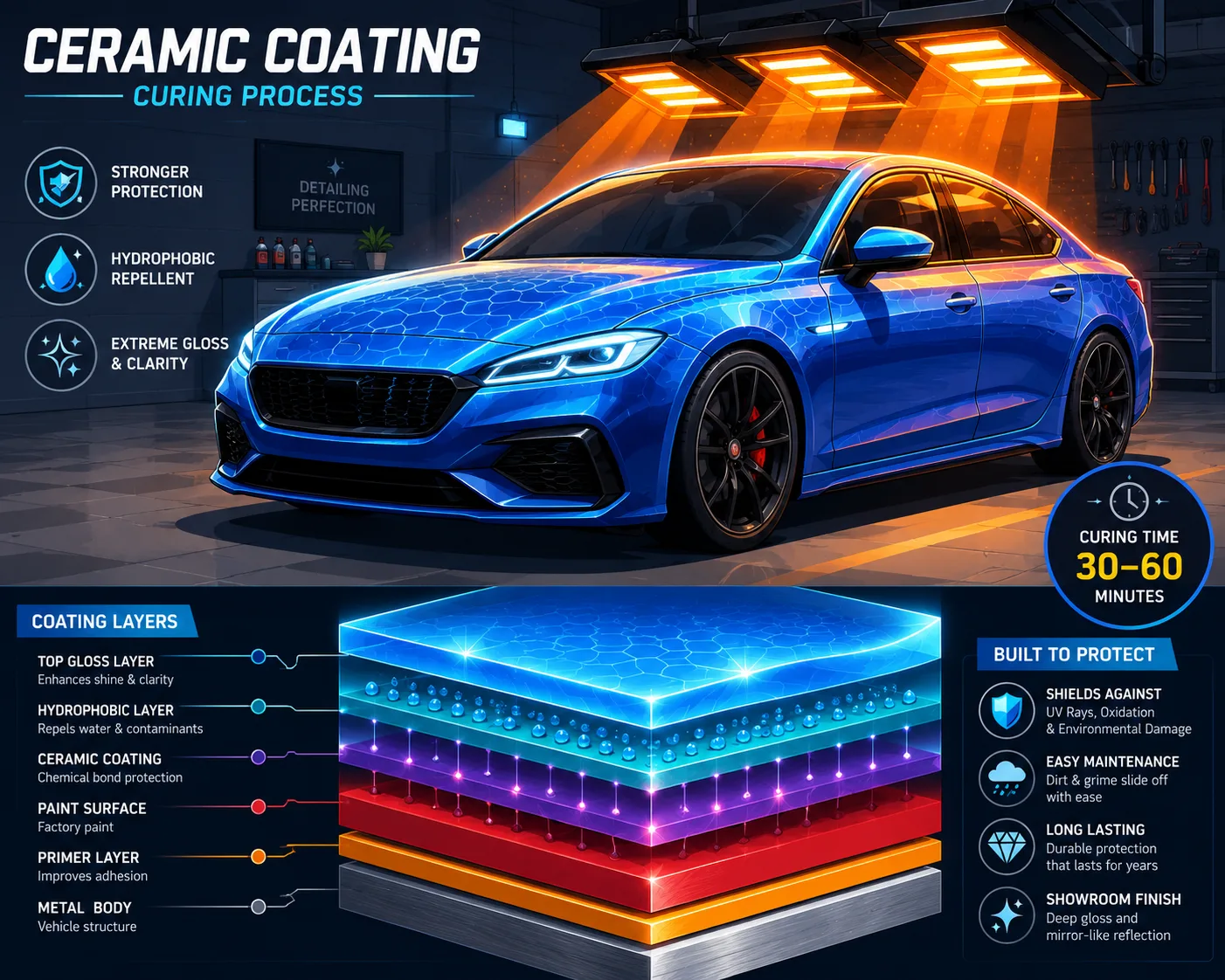
Still, the coating does not instantly harden after application. The product goes through several stages. First comes flashing, where solvents evaporate. Then leveling, where excess coating is removed. Finally comes curing, which is the most important stage because this is where the coating develops its full hardness and hydrophobic abilities.
During curing, the coating undergoes chemical crosslinking. That process creates the strong molecular structure responsible for durability. If interrupted too early by moisture, soap, minerals, or contamination, the coating may never reach its intended performance level. That’s why detailers become so strict about aftercare instructions during the first week.
Why the Curing Stage Matters So Much
The curing stage is essentially the “make or break” moment for ceramic coatings. A perfectly applied coating can still fail prematurely if the owner ignores the curing window. This is where many people accidentally sabotage their investment without realizing it.
The first 12 to 24 hours are considered the critical initial cure period. During this stage, the coating remains soft and vulnerable to water exposure. Rain, morning dew, sprinklers, or even excessive humidity can interfere with bonding. Industry guides repeatedly emphasize keeping the vehicle dry during this phase because trapped moisture can create permanent water spots or uneven curing patterns.
After the initial cure, the coating continues hardening for several more days. Some products fully cure within one week, while others may require up to two or even three weeks depending on formulation and environmental conditions. During this time, harsh chemicals and aggressive washing methods can weaken the protective layer before it stabilizes completely.
Imagine baking a cake and pulling it out halfway through cooking. The outer layer may look done, but the inside collapses because the structure never fully formed. Ceramic coating behaves in a similar way. The outer gloss appears ready quickly, but the true durability develops gradually underneath.
Why Fresh Ceramic Coating Needs Time to Cure
Chemical Bonding and Crosslinking Explained
Ceramic coatings work because of chemistry, not magic. When applied correctly, the liquid coating reacts with the paint surface and begins forming interconnected molecular bonds. This process is called crosslinking, and it is responsible for creating the hard shell-like protection ceramic coatings are famous for.
During crosslinking, the coating transforms from a liquid film into a dense protective structure. The molecules align and tighten together, creating resistance against water, chemicals, UV exposure, and contaminants. Until that process finishes, the coating remains sensitive and unstable.
Professional detailers often describe curing as similar to tempering steel. The material may already exist physically, but it still needs time to reach full strength. Interruptions during this phase can reduce hardness, gloss retention, and hydrophobic performance.
This explains why manufacturers recommend avoiding soaps, detergents, and physical contact during the early curing period. Harsh products can interfere with the chemical reactions taking place on the paint surface. Even touching the vehicle excessively during this stage may create micro-marring or disturb the coating before it hardens completely.
Difference Between Drying and Fully Curing
One of the biggest misconceptions in car detailing is confusing “dry” with “cured.” A ceramic-coated car may feel dry within hours, but that does not mean it has fully hardened.
Drying simply means the visible solvents have evaporated. The surface no longer looks wet or tacky. Curing, on the other hand, refers to the internal chemical hardening process that continues long after the coating feels dry to the touch.
Most coatings become touch-dry within a few hours. Initial curing generally occurs within 12–24 hours. Full curing can take anywhere from 5 days to 3 weeks depending on the product and climate conditions.
That distinction matters because many owners mistakenly wash the vehicle once it “looks ready.” Unfortunately, introducing water and detergents too soon can weaken the bond before the coating achieves maximum durability.
Here’s a quick breakdown:
| Stage | Typical Time | What Happens |
|---|---|---|
| Flashing | Minutes | Solvents evaporate |
| Initial Cure | 12–24 Hours | Surface becomes stable |
| Full Cure | 5–14+ Days | Maximum hardness develops |
Understanding these phases helps avoid premature maintenance mistakes that shorten coating life.
What Happens if the Car Gets Wet Too Soon
Water Spotting and Surface Damage
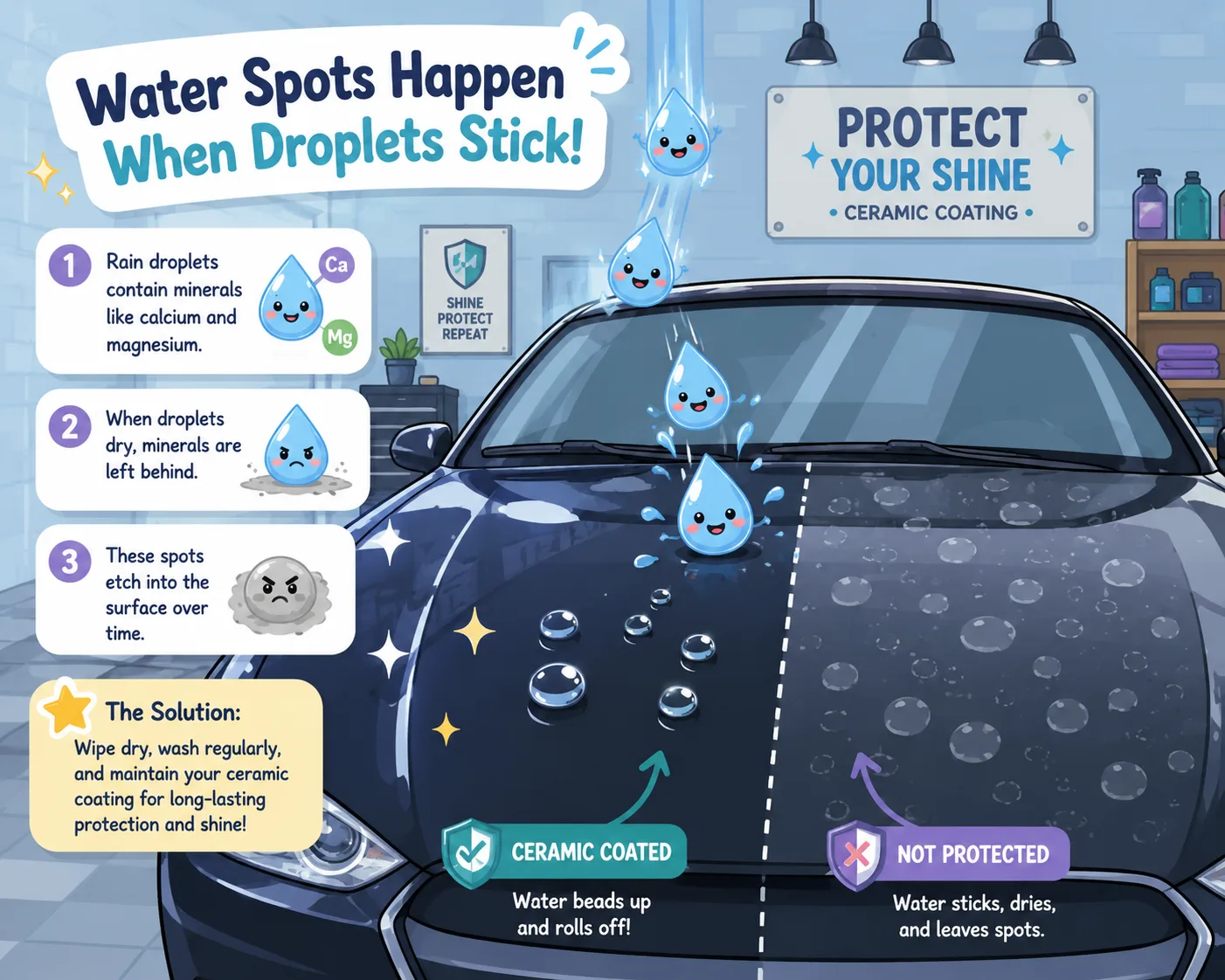
Water exposure during the first curing phase is one of the fastest ways to compromise a ceramic coating. Rainwater, sprinkler water, or even heavy dew can leave mineral deposits embedded into the still-soft coating surface.
When droplets sit on uncured ceramic coating, they interfere with airflow and curing consistency. As the water evaporates, minerals remain trapped on the coating. Those deposits can harden into stubborn water spots that sometimes require polishing or reapplication to fix.
The frustrating part is that these spots often become permanent because the coating is still chemically active during curing. Trying to wipe the car dry aggressively can create another problem: scratching or marring the delicate surface before it hardens.
If a freshly coated vehicle accidentally gets wet, experts generally recommend using a blower or touchless drying method instead of towels. That minimizes friction while safely removing standing water.
Some coatings tolerate light moisture better than others, but almost every manufacturer still recommends avoiding water exposure during the first 24 hours whenever possible.
Related Articles: How Cold Is Too Cold for Car Wash
Reduced Hydrophobic Performance
The most noticeable benefit of ceramic coating is usually the dramatic water beading effect. When curing is disrupted, that hydrophobic behavior often weakens significantly.
A compromised coating may still look shiny initially, but over time the water repellency declines faster than expected. Instead of tight water beads rolling effortlessly off the surface, water begins to sheet unevenly or cling to the paint.
This happens because incomplete curing weakens the molecular structure responsible for water resistance. The coating essentially loses part of its intended functionality before it ever fully develops.
Professional installers often say that early exposure problems may not appear immediately. The coating can still seem fine for weeks or months before reduced durability becomes obvious. That delayed effect makes it difficult for owners to connect poor performance with early aftercare mistakes.
Recommended Waiting Times for Different Coating Types
Spray Ceramic Coatings
Spray ceramic coatings are generally more forgiving than professional-grade multi-layer coatings. These products are designed for easier application and faster curing. Many consumer spray coatings can handle light water exposure within several hours and allow washing after 48–72 hours.
Still, “faster” does not mean instant. Even spray coatings benefit from protected curing conditions during the first day. Rushing into automatic car washes or harsh soap applications immediately after use can still reduce effectiveness.
These coatings typically provide shorter durability compared to professional coatings, often lasting several months instead of several years. Their simpler chemistry allows quicker curing but also means less long-term hardness.
Discover Related: What Are Some Safety Precautions When Handling Brake Fluid Around Vehicles
Professional Multi-Year Ceramic Coatings
Professional coatings require significantly more patience. Most detailers recommend:
- No water exposure for at least 12–24 hours
- No washing for 7 days minimum
- Full curing over 1–3 weeks
Some coatings like Gyeon Evo may require up to 14 days before washing. High-end professional systems often involve multiple layers, making proper curing even more important.
These coatings reward patience with superior durability, chemical resistance, and gloss retention. Cutting corners during curing is like buying expensive running shoes and then dragging them through mud on day one.
Quick Comparison Table
| Coating Type | Avoid Water | Wait Before Wash | Full Cure |
|—|—|—|
| Spray Ceramic | 6–12 Hours | 2–3 Days | About 1 Week |
| Consumer Ceramic Coating | 12–24 Hours | 5–7 Days | 1–2 Weeks |
| Professional Multi-Year Coating | 24 Hours | 7–14 Days | Up to 3 Weeks |
Weather Conditions That Affect Ceramic Coating Cure
Heat, Humidity, and Rain
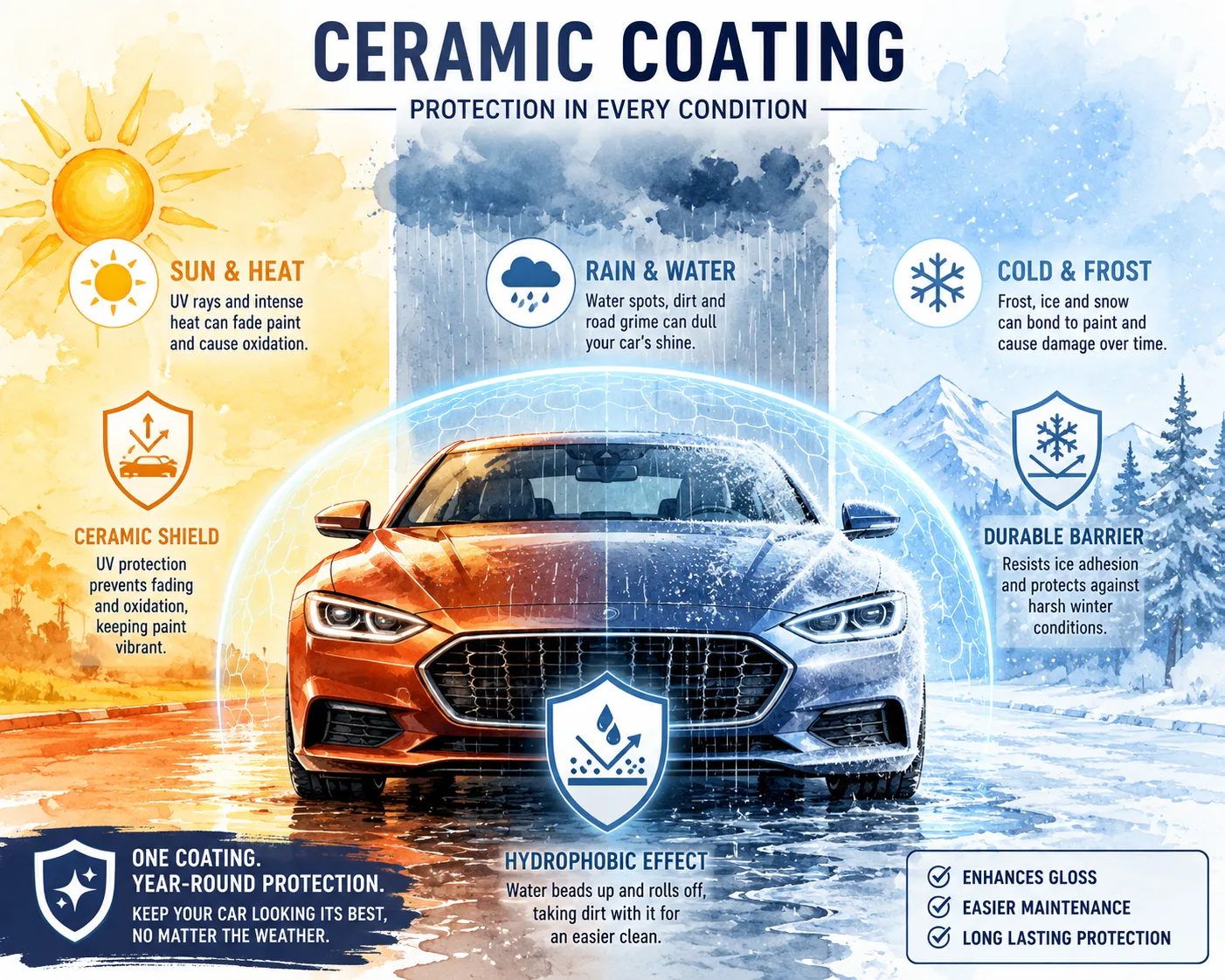
Weather plays a huge role in ceramic coating performance. Warm temperatures usually accelerate curing because chemical reactions occur faster with heat. Moderate sunlight can also help the coating harden more efficiently once the initial vulnerable stage passes.
Humidity, however, can complicate things. Excess moisture in the air slows solvent evaporation and increases the risk of water spotting. Rain during the first 24 hours is especially problematic because it introduces minerals directly onto the curing surface.
This is why professional detailers often keep vehicles indoors overnight after application. Controlled environments provide stable temperatures, low contamination risk, and protection from unexpected weather shifts.
Cold Temperatures and Frost Risks
Cold weather slows curing dramatically. Ceramic coatings rely on chemical reactions, and those reactions become sluggish in low temperatures. Frost, condensation, and freezing conditions can extend curing time significantly.
In colder climates, installers sometimes use infrared curing lamps to speed up the process safely. Without added heat, coatings may remain vulnerable longer than the standard timelines listed by manufacturers.
Owners should avoid assuming the coating cured normally simply because the clock says enough time has passed. Environmental conditions matter just as much as the calendar.
Safe Cleaning Methods After the Initial Waiting Period
The Best Way to Perform the First Wash
The first wash after ceramic coating should be gentle, controlled, and deliberate. This is not the time for drive-through washes or aggressive scrubbing.
Most professionals recommend waiting at least 7 days before the first proper hand wash. Once that waiting period ends, use a pH-neutral shampoo designed specifically for ceramic-coated vehicles.
The two-bucket wash method remains one of the safest approaches. One bucket holds clean soap solution while the other rinses dirt from the wash mitt. This reduces the chance of rubbing abrasive particles across the coating.
Soft microfiber mitts should replace sponges or stiff brushes. Ceramic coatings resist contamination well, meaning heavy scrubbing is rarely necessary anyway. Gentle contact combined with lubrication is far safer.
Safe Drying Techniques for Ceramic-Coated Cars
Drying matters just as much as washing. Rough towels can create swirl marks even on coated paint. High-quality microfiber drying towels or filtered air blowers work best.
Blowers are especially effective because they remove water without touching the surface. Since ceramic coatings naturally repel water, much of the moisture slides off easily with airflow alone.
Avoid bath towels, silicone squeegees, or dirty cloths. These may seem harmless, but they can introduce scratches that reduce gloss over time.
Products That Can Weaken the Protective Layer Early
Harsh Chemicals to Avoid
Fresh ceramic coatings dislike aggressive chemicals. During the early curing stage, products containing strong degreasers, acidic cleaners, or heavy solvents can weaken the coating before it stabilizes fully.
Avoid:
- Traffic film removers
- Harsh wheel acids
- Heavy-duty APC cleaners
- Wax stripping soaps
- Petroleum-based cleaners
Even after curing, ceramic coatings perform best with pH-balanced maintenance products designed for coated vehicles.
Why Automatic Car Washes Can Be Harmful
Automatic car washes are notorious among detailing enthusiasts for a reason. The brushes often trap dirt and debris from previous vehicles, turning them into giant rotating sandpaper rollers.
Fresh ceramic coatings are especially vulnerable because the surface has not yet achieved full hardness. One aggressive wash too early can create swirl marks or reduce hydrophobic performance.
Touchless washes are safer than brush washes, but even then, many use strong chemicals that may stress a fresh coating.
How to Tell if the Coating Has Fully Settled
Signs of Proper Water Beading
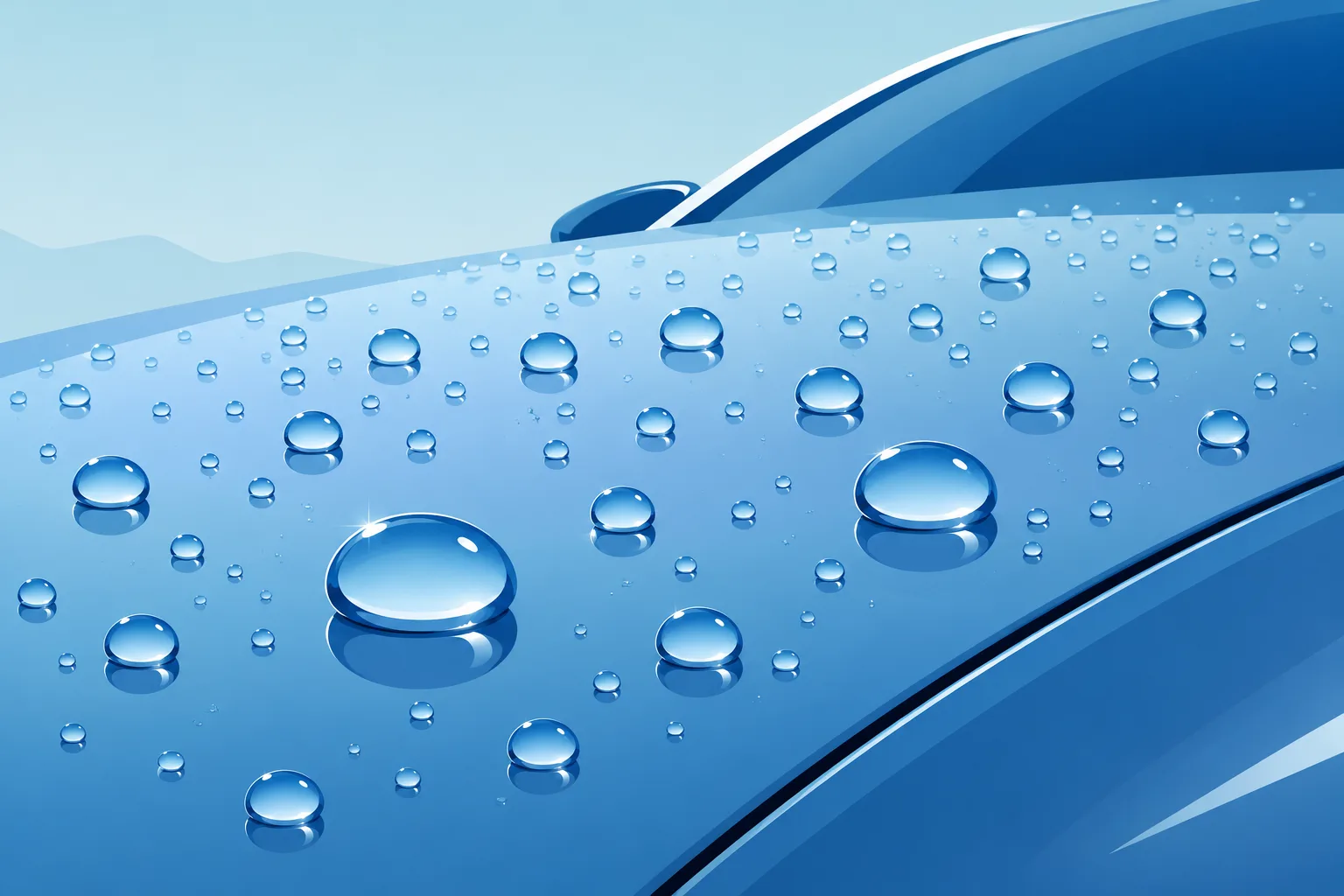
One of the clearest indicators of a healthy cured coating is consistent water behavior. Water should form tight, rounded beads that slide off the paint quickly.
Uneven sheeting, flat water patches, or inconsistent behavior may indicate curing issues or contamination.
Surface Feel and Gloss Improvements
Fully cured ceramic coatings develop an extremely slick texture. Running a clean microfiber lightly across the paint should feel smooth and almost frictionless.
Gloss also deepens after curing completes. Many coatings appear shinier after several days because the chemical structure has fully hardened and clarified.
Habits That Help Ceramic Coating Last Longer
Smart Maintenance Routines
Ceramic coatings thrive on consistency. Regular maintenance washes every two weeks prevent contamination buildup that can clog hydrophobic properties.
Bird droppings, bug splatter, and tree sap should be removed quickly because even ceramic coatings are not invincible. Leaving acidic contaminants on the surface too long may eventually damage both the coating and paint underneath.
Using ceramic-safe maintenance sprays periodically can refresh slickness and water behavior without interfering with the coating itself.
Long-Term Protection Tips
Simple habits dramatically extend coating life:
- Park in covered areas when possible
- Avoid automatic brush washes
- Use clean microfiber towels only
- Wash with pH-neutral shampoo
- Decontaminate periodically using iron removers designed for coatings
A well-maintained ceramic coating can continue performing beautifully for years. Neglect, on the other hand, shortens lifespan surprisingly fast.
Conclusion
Waiting to wash your car after ceramic coating requires patience, but that patience protects your investment. Most coatings need at least 12–24 hours before getting wet and around 7 days before the first wash. Some advanced coatings require even longer cure times depending on environmental conditions and product chemistry.
The curing process is where ceramic coating transforms from a liquid layer into a durable protective shield. Interrupting that process too early with water, detergents, or harsh cleaning methods can reduce gloss, weaken hydrophobic properties, and shorten durability significantly.
Treat the coating gently during its first weeks, follow manufacturer recommendations carefully, and adopt smart maintenance habits afterward. Do that consistently, and your vehicle can maintain its deep shine, slick feel, and strong protection for years instead of months.
FAQs
1. Can I drive my car right after ceramic coating?
Most professionals recommend waiting at least 12–24 hours before driving, especially if rain is possible. Road spray and moisture can interfere with curing.
2. What should I do if my ceramic-coated car gets wet too soon?
Use a touchless drying method like a blower to remove standing water quickly. Avoid wiping aggressively with towels.
3. Is rain harmful after ceramic coating?
Rain during the first 24 hours can create water spots and uneven curing. After the initial cure period, occasional rain is generally less concerning.
4. Can I use wax on a ceramic-coated car?
Traditional waxes are usually unnecessary. Many detailers recommend ceramic-compatible maintenance sprays instead.
5. How long does ceramic coating actually last?
Depending on product quality and maintenance habits, ceramic coatings can last anywhere from 1 year to over 5 years.

Marco Vestri is a 29-year-old American content writer based in Spokane, Washington. He specializes in creating well-researched automotive maintenance guides, troubleshooting articles, and practical ownership advice for everyday drivers. His work emphasizes accuracy, clear explanations, and reliable sources, helping readers make informed decisions with confidence. As a regular contributor to carissues.wiki, Marco combines years of blogging experience with a passion for simplifying complex vehicle topics into useful, trustworthy content for a broad audience.