
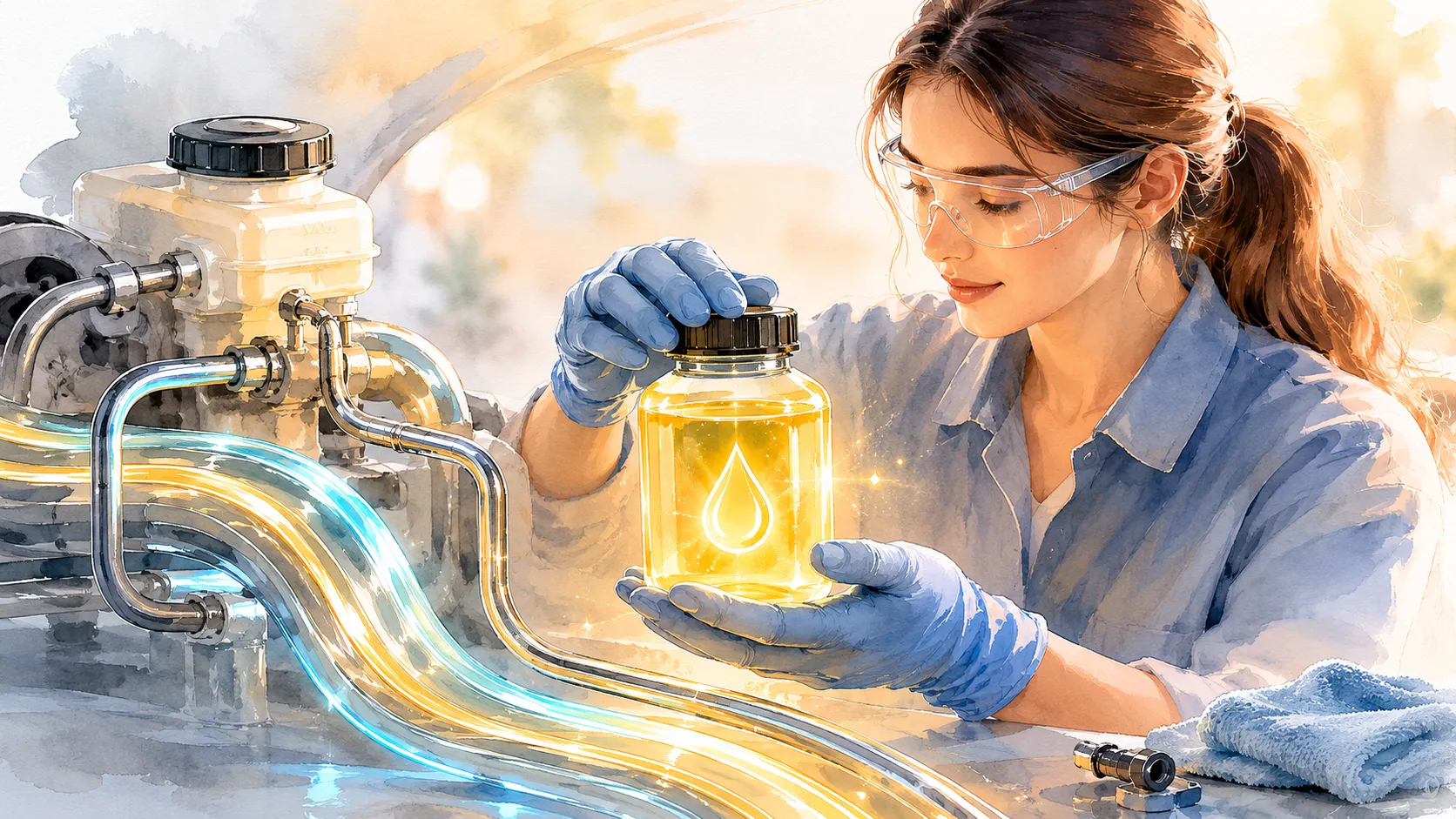
Brake fluid is one of those vehicle fluids most drivers rarely think about until something goes wrong. Engine oil gets all the attention. Coolant gets checked before long trips. Windshield washer fluid gets topped off every other week. Brake fluid, though? It quietly does one of the most important jobs in your vehicle without much recognition. The problem is that many people underestimate how sensitive and potentially damaging this fluid can be when handled carelessly.
A tiny spill during a brake fluid refill can strip paint from a vehicle panel faster than many drivers realize. Even worse, contaminated brake fluid can compromise the entire braking system and create dangerous stopping problems. According to automotive maintenance sources, brake fluid absorbs moisture from the air over time, reducing its boiling point and potentially leading to brake failure under heavy heat conditions. That makes proper handling more than just a cleanliness issue; it becomes a safety issue.
If you have ever worked on brakes in a home garage, you already know how stressful it can feel. One accidental splash on painted surfaces or one careless mistake during bleeding can create an expensive repair bill. Brake fluid is a bit like acid rain in a bottle: useful in the right place, destructive everywhere else. Understanding how to handle it safely protects your vehicle, your skin, and your braking system from unnecessary damage.
Why Brake Fluid Deserves Serious Attention
How Brake Fluid Works Inside a Vehicle
Brake fluid acts as the hydraulic messenger between your foot and the braking components. Every time you press the brake pedal, pressure travels through brake fluid lines to activate calipers and brake pads. Unlike air, fluid does not compress easily, which is why the system can transfer force efficiently. That smooth, reliable stopping power depends entirely on the condition of the brake fluid inside the system.
Here is where things get tricky. Most common brake fluids, especially DOT 3 and DOT 4 varieties, are hygroscopic. That means they naturally absorb moisture from the atmosphere. Imagine leaving a sponge out during a humid summer day. Over time, it slowly pulls moisture from the air. Brake fluid behaves similarly, except moisture inside brake lines creates corrosion, lowers boiling temperatures, and increases the risk of brake fade during hard braking situations.
This is why mechanics are obsessive about keeping brake fluid containers sealed. Even leaving the cap open longer than necessary can begin contaminating the fluid. Drivers often assume brake fluid lasts forever because it sits hidden in the reservoir, but manufacturers commonly recommend replacing it every two years regardless of mileage. Heat cycles, humidity, and contamination slowly reduce its effectiveness.
Why Brake Fluid Is Considered Hazardous
Many people are surprised to learn that brake fluid can be toxic and chemically aggressive. Some formulations contain compounds such as diethylene glycol, which can be harmful if swallowed and irritating to skin and eyes. That alone should encourage careful handling, especially around children and pets.
The danger does not stop there. Brake fluid behaves almost like paint thinner when spilled on automotive finishes. Experts note that damage can begin within minutes if the spill is not removed immediately. The fluid softens paint layers and can cause bubbling, peeling, discoloration, or permanent etching. Think of it like spilling nail polish remover on polished wood furniture; the protective finish begins dissolving right before your eyes.
Another overlooked risk is contamination inside the brake system itself. Even tiny amounts of dirt, oil, or moisture introduced during servicing can interfere with braking performance. Something as simple as using a dirty funnel or touching brake fluid with oily hands can compromise the fluid quality. In a system where reliability can determine whether a car stops safely at highway speeds, cleanliness becomes absolutely critical.
Understanding the Different Types of Brake Fluid
DOT 3, DOT 4, DOT 5, and DOT 5.1 Differences
Not all brake fluids are created equal. Drivers often see labels like DOT 3 or DOT 4 without fully understanding what they mean. These ratings refer to Department of Transportation standards that define boiling points and chemical properties.
| Brake Fluid Type | Main Characteristic | Common Use |
|---|---|---|
| DOT 3 | Glycol-based, absorbs moisture | Older vehicles |
| DOT 4 | Higher boiling point than DOT 3 | Modern passenger cars |
| DOT 5 | Silicone-based, non-hygroscopic | Specialty/performance vehicles |
| DOT 5.1 | High-performance glycol-based fluid | ABS and performance systems |
DOT 3, DOT 4, and DOT 5.1 are generally glycol-based and highly damaging to paint. DOT 5 is silicone-based and less aggressive toward painted surfaces. Still, even DOT 5 requires careful handling because contamination or improper mixing can damage braking systems.
One major mistake people make is mixing incompatible brake fluids. Putting the wrong type into the system can damage seals and create performance problems. Vehicle manufacturers specify exact fluid types for a reason. Ignoring those recommendations is a little like putting diesel fuel into a gasoline engine; the system simply was not designed for it.
Which Brake Fluids Damage Paint the Most
Glycol-based fluids such as DOT 3 and DOT 4 are the biggest threats to automotive paint. Automotive experts describe them as chemically aggressive solvents capable of stripping clear coat and softening paint layers within minutes. Heat and sunlight can accelerate the damage even further.
Real-world experiences from mechanics and car owners back this up. Online discussions frequently mention paint dulling or permanent finish damage after only brief exposure to brake fluid. Some drivers have returned to parked vehicles only to discover entire painted sections ruined after unnoticed leaks.
That is why professional technicians often surround work areas with towels before opening brake systems. Prevention matters because once brake fluid damages paint deeply enough, polishing usually cannot fix it. Repainting may become the only option.
Read More: How to Remove Surface Rust on a Car
Protective Gear That Should Never Be Skipped
Gloves That Resist Chemical Exposure
Working with brake fluid barehanded is a mistake many DIY mechanics make exactly once. Brake fluid can irritate skin and dry it out quickly. Prolonged exposure may cause redness or chemical irritation, especially for people with sensitive skin.
Nitrile gloves are usually the best choice because they resist chemical penetration better than standard latex gloves. Thin disposable gloves might seem inconvenient at first, but they prevent fluid from soaking into the skin and reduce contamination risks. Imagine handling strong household cleaners without gloves; brake fluid deserves the same level of caution.
Experienced mechanics often keep several pairs nearby because gloves can become slippery during brake jobs. Replacing contaminated gloves immediately helps maintain a secure grip on tools and containers. Clean handling also reduces the chance of transferring dirt or grease into the brake reservoir.
Eye Protection and Clothing Safety
Brake fluid splashing into the eyes can become a serious emergency. Protective safety glasses or goggles are essential whenever opening brake lines or bleeding brakes. Pressurized systems sometimes release fluid unexpectedly, especially when components are loosened quickly.
Long sleeves and work aprons can also help protect skin and clothing. Brake fluid stains fabrics easily and can weaken certain materials over time. More importantly, sleeves provide another layer between your skin and accidental spills.
Professional garages treat brake fluid similarly to industrial chemicals because even small exposures can create problems. Eye flushing stations are common in workshops for a reason. One careless splash is all it takes to turn a routine maintenance job into a medical visit.
Safe Ways to Open and Pour Brake Fluid
Preventing Contamination During Refills
Cleanliness is everything when working with brake fluid. Before opening the brake reservoir, the surrounding area should be wiped thoroughly to remove dust and grime. Otherwise, debris can fall directly into the hydraulic system the moment the cap comes off.
Brake fluid bottles should also be opened only when ready for immediate use. Since the fluid absorbs atmospheric moisture rapidly, leaving containers uncapped for extended periods compromises fluid quality. It is almost like leaving bread out overnight; exposure changes its condition whether you notice immediately or not.
Using dedicated funnels and tools prevents cross-contamination from oil, grease, or other automotive fluids. Even trace contaminants can damage seals or reduce braking performance. Many professionals avoid reusing partially opened bottles because moisture contamination may already have started inside.
Avoiding Moisture Exposure
Humidity is the silent enemy of brake fluid. Because glycol-based brake fluids naturally attract moisture, exposure to open air slowly lowers their effectiveness. Moisture contamination reduces boiling points and can eventually create vapor pockets during heavy braking situations.
That risk becomes especially important during mountain driving, towing, or aggressive braking where temperatures rise significantly. Vapor inside brake lines compresses more easily than liquid, leading to a soft or spongy brake pedal.
The safest approach is simple:
- Open brake fluid only when necessary
- Seal containers immediately after use
- Never reuse old fluid left exposed for long periods
- Avoid pouring unused fluid back into the original container
These small habits dramatically reduce contamination risks.
The Damage Brake Fluid Can Cause to Paint and Skin
How Quickly Brake Fluid Can Destroy Paint
Brake fluid can damage automotive paint shockingly fast. Automotive repair sources explain that visible paint softening may begin within minutes after contact. The longer the fluid sits, the deeper the chemical damage becomes.
At first, the surface may simply appear dull or discolored. Then bubbling, wrinkling, or peeling may follow. Left untreated, the fluid can eat through the clear coat entirely and expose bare metal underneath. That opens the door to rust and corrosion problems.
A useful comparison would be spilling bleach on dark fabric. At first, the damage seems minor. Then the chemical reaction spreads and permanently alters the material. Brake fluid works similarly on painted surfaces.
This explains why mechanics often prepare cleanup towels and water before opening any brake system. Quick response time can mean the difference between a harmless spill and a costly repainting project.
Explore Further: How to Open the Engine Oil Cap Without Damaging It
Related Articles: How Long to Wait to Wash Car After Ceramic Coating
What Happens When Brake Fluid Touches Skin
Skin exposure usually causes irritation rather than severe burns, but repeated contact is still unhealthy. Some people experience dryness, redness, or itching after prolonged exposure.
If brake fluid contacts skin, washing immediately with soap and water is the safest response. Delaying cleanup allows chemicals to remain in contact longer than necessary. Any exposure to eyes requires flushing with clean water and seeking medical advice if irritation continues.
The bigger danger comes from accidental ingestion. Poison control experts warn that some brake fluids contain toxic compounds that can cause serious internal damage if swallowed. This is why brake fluid should always remain sealed, labeled, and stored away from children and animals.
Proper Storage Practices That Prevent Contamination
Why Open Containers Become Unsafe
Brake fluid containers have a surprisingly short useful life once opened. Since the fluid absorbs moisture naturally, every exposure to air gradually contaminates it.
Imagine leaving an open bag of coffee beans in a humid kitchen for weeks. The flavor deteriorates because moisture changes the contents. Brake fluid experiences a similar process, except the consequences involve braking performance instead of taste.
For that reason, many mechanics recommend using freshly opened bottles whenever possible. Large containers kept for years in garages may no longer meet safe performance standards, especially in humid climates.
Ideal Storage Conditions for Brake Fluid
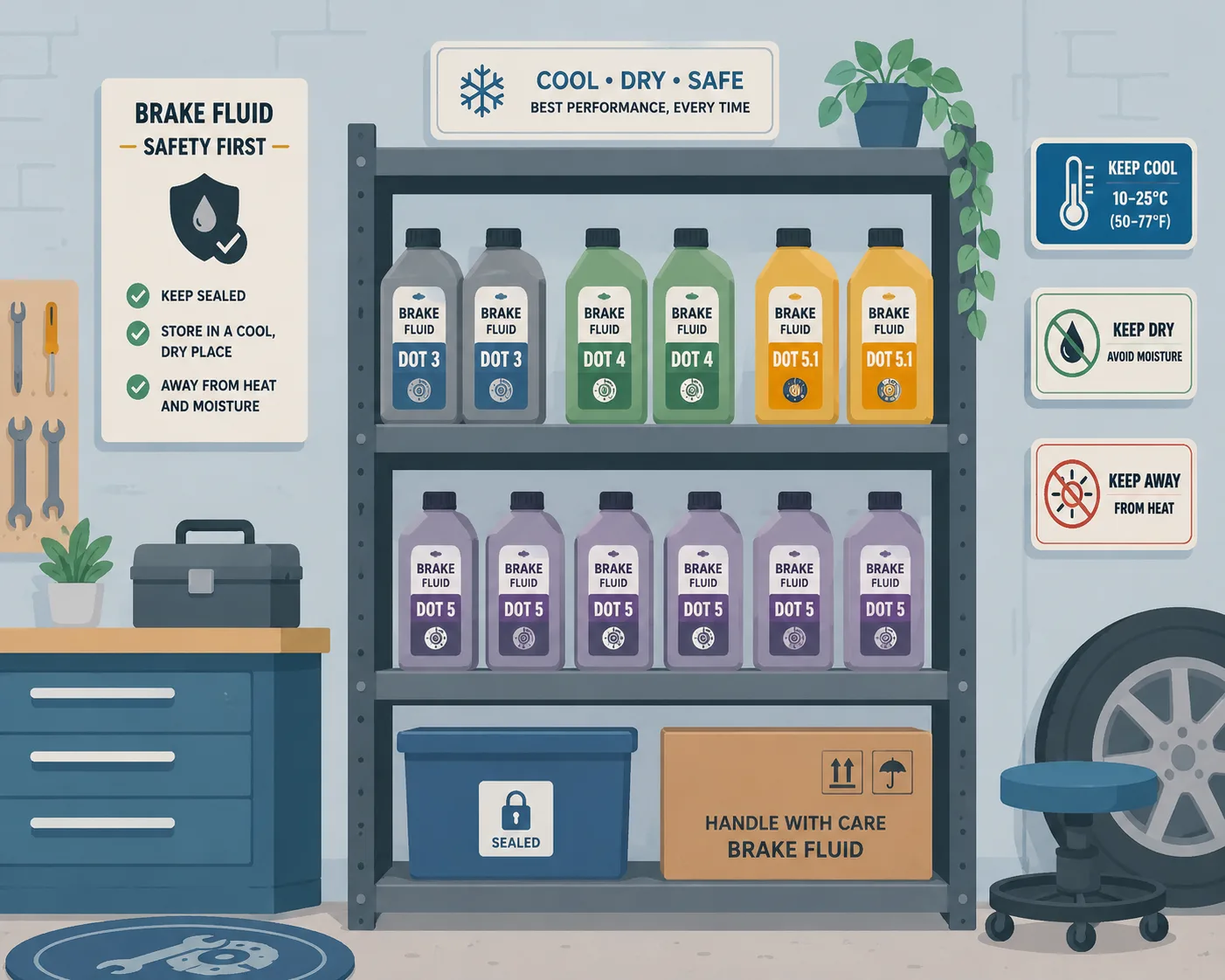
Proper brake fluid storage requires:
| Storage Practice | Why It Matters |
|---|---|
| Keep container tightly sealed | Prevents moisture absorption |
| Store in cool, dry areas | Reduces chemical degradation |
| Avoid direct sunlight | Prevents overheating |
| Keep away from children and pets | Reduces poisoning risk |
| Use original container | Prevents misidentification |
Brake fluid should never be transferred into beverage containers or unmarked bottles. That creates an unnecessary poisoning risk and can lead to accidental misuse.
What to Do if Brake Fluid Spills on the Vehicle
Immediate Cleanup Steps
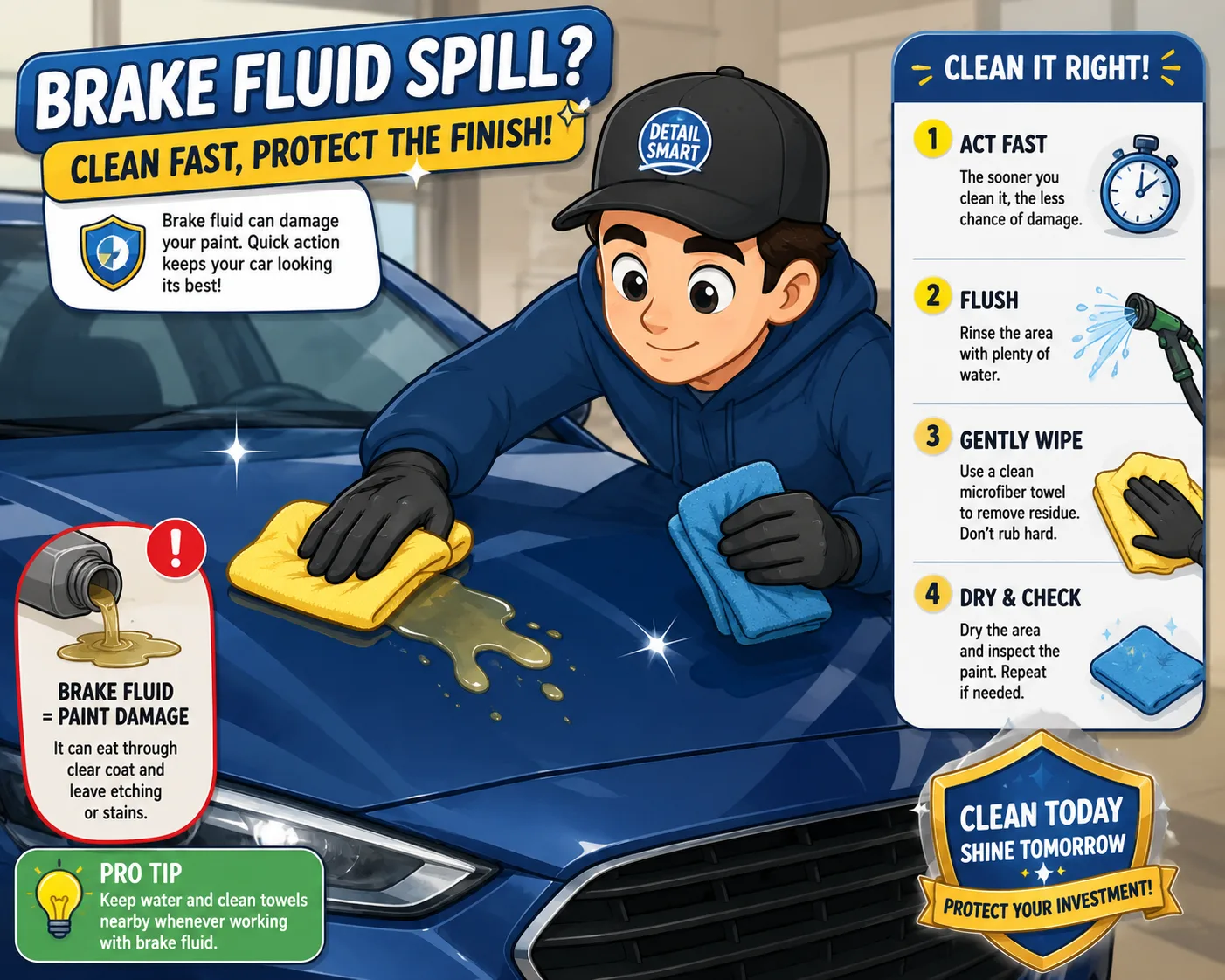
Speed matters more than anything else when brake fluid spills on paint. Experts recommend flushing the area immediately with large amounts of water. Waiting even a few extra minutes increases the chance of permanent damage.
A safe cleanup process includes:
- Blot excess fluid gently using paper towels
- Avoid rubbing the spill across the paint
- Rinse thoroughly with water
- Wash the area using mild automotive soap
- Dry carefully with a clean microfiber towel
Automotive repair sources specifically warn against aggressively wiping the spill because spreading the fluid enlarges the damaged area.
Mistakes That Make Paint Damage Worse
Many drivers panic and start scrubbing immediately after a spill. Unfortunately, rubbing brake fluid aggressively across paint can spread the chemical over a larger surface.
Another major mistake is delaying cleanup because the spill “looks small.” Brake fluid damage often starts invisibly beneath the clear coat before visible bubbling appears. By the time damage becomes obvious, the repair bill may already be unavoidable.
Some people also attempt using random cleaners or solvents. Water dilution remains the safest immediate response for most glycol-based brake fluids.
Disposal Rules Many Drivers Overlook
Why Brake Fluid Should Never Go Down the Drain
Used brake fluid is considered hazardous waste in many areas. Pouring it into drains, onto soil, or into storm sewers can contaminate groundwater and harm wildlife.
Think about how little engine oil it takes to contaminate water sources. Brake fluid creates similar environmental concerns because of its chemical makeup. Responsible disposal protects both local ecosystems and public water systems.
Safe Disposal Methods for Used Brake Fluid
The safest disposal options include:
- Taking used fluid to hazardous waste facilities
- Using automotive recycling centers
- Bringing it to repair shops that accept fluid waste
- Following local hazardous material regulations
Brake fluid should always be stored in sealed containers during transport. Mixing it with other automotive fluids may complicate recycling and disposal processes.
Mistakes That Can Introduce Air Into the Brake System
Common DIY Brake Bleeding Errors
Air inside brake lines is one of the most common mistakes during brake maintenance. Unlike hydraulic fluid, air compresses easily. That creates weak or spongy brake pedal feel and reduces stopping efficiency.
Common DIY errors include:
- Letting the reservoir run dry during bleeding
- Improper bleeding sequence
- Loose bleeder screws
- Pumping the brake pedal too aggressively
- Using contaminated fluid
One small bubble may not seem important, but inside hydraulic systems, trapped air acts like a cushion that weakens braking pressure.
Warning Signs of Air in Brake Lines
Drivers should watch for symptoms such as:
| Symptom | Possible Cause |
|---|---|
| Soft brake pedal | Air in brake lines |
| Increased stopping distance | Reduced hydraulic pressure |
| Spongy pedal feel | Moisture or trapped air |
| Inconsistent braking response | Improper bleeding |
Brake issues should never be ignored because they directly affect vehicle safety. If the pedal feels unusual after servicing, the system should be inspected immediately.
See Also: What Causes an Engine to Run Lean
Conclusion
Handling brake fluid safely requires more care than many drivers initially expect. This hydraulic fluid may look harmless sitting inside a small bottle, but it can damage paint, irritate skin, contaminate brake systems, and reduce braking performance when handled incorrectly. Moisture exposure alone can slowly turn perfectly good fluid into a hidden safety risk.
Protective gloves, sealed containers, careful pouring techniques, and fast spill cleanup are not optional details; they are essential habits for anyone working around brake systems. A few extra minutes spent protecting paint and preventing contamination can save hundreds or even thousands of dollars in repairs later.
Brake fluid is a little like electricity: incredibly useful when controlled properly, but surprisingly destructive when handled carelessly. Drivers who respect its chemical properties and follow safe handling procedures greatly reduce the risk of accidents, costly paint damage, and brake system failures.
Check Related: How to Check Transmission Fluid Nissan Altima Without Missing Key Steps
FAQs
1. Can brake fluid permanently damage car paint?
Yes. Glycol-based brake fluids such as DOT 3 and DOT 4 can permanently damage automotive paint if not cleaned immediately.
2. Is brake fluid dangerous to touch with bare hands?
Brief contact may only cause irritation, but repeated exposure can dry or irritate skin. Wearing nitrile gloves is strongly recommended.
3. How long can brake fluid sit after opening?
Opened brake fluid absorbs moisture from the air, so it should be used quickly and stored tightly sealed. Many professionals avoid keeping opened bottles long-term.
4. What should I do if brake fluid spills on my car?
Blot the spill gently and flush the area immediately with plenty of water. Fast action reduces the risk of paint damage.
5. Can air in brake lines make driving dangerous?
Absolutely. Air reduces hydraulic pressure and can create soft or spongy brakes, increasing stopping distances and reducing control.

Marco Vestri is a 29-year-old American content writer based in Spokane, Washington. He specializes in creating well-researched automotive maintenance guides, troubleshooting articles, and practical ownership advice for everyday drivers. His work emphasizes accuracy, clear explanations, and reliable sources, helping readers make informed decisions with confidence. As a regular contributor to carissues.wiki, Marco combines years of blogging experience with a passion for simplifying complex vehicle topics into useful, trustworthy content for a broad audience.